Pet-Proofing Your Home – Keeping Your Dog Safe and Healthy
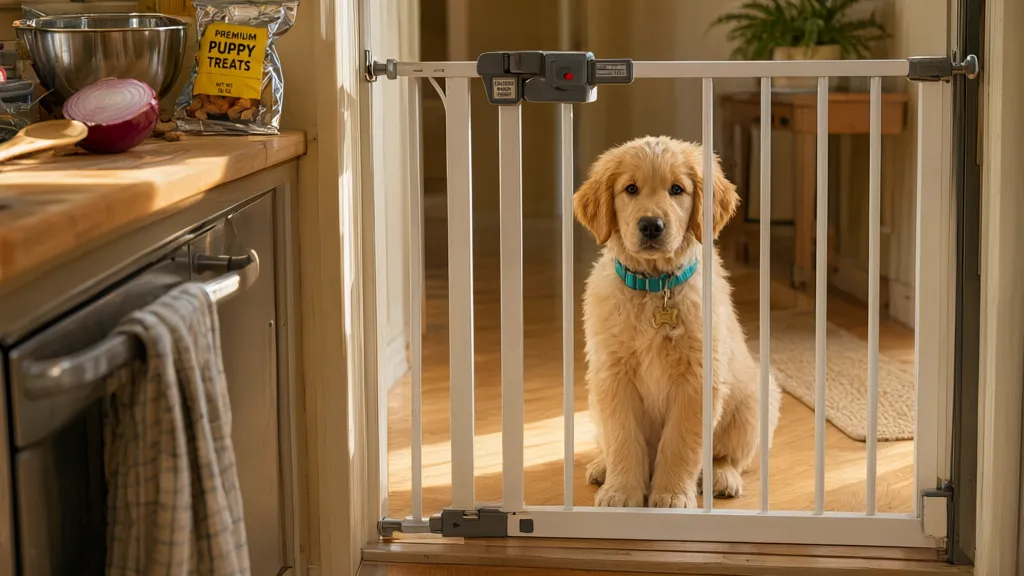
Dogs investigate with their mouths, and puppies are especially likely to chew during exploration and teething. Map hazards from a dog’s height: inspect beneath furniture, behind appliances, inside open bags, and along counters the dog can reach by jumping. A hazard is not safe merely because it is stored above nose level; athletic dogs can use chairs, shelves, or counters as access points.
Human medications are a frequent poisoning risk. Pain relievers such as ibuprofen and naproxen, acetaminophen, antidepressants, stimulants, and vitamin products can cause severe toxicity at doses that may fit in a dog’s mouth. Keep containers closed and inaccessible, including pill organizers and dropped tablets. Xylitol in some sugar-free gum, candies, baked goods, and oral-care products can trigger rapid insulin release, dangerously low blood sugar, and sometimes liver injury. Chocolate, grapes and raisins, onions and garlic, alcohol, and caffeine also warrant secure storage; risk depends on the substance, amount, and dog’s size, so do not wait for symptoms before contacting a veterinarian or animal poison-control service.
Cleaning products, detergents, pesticides, rodent bait, and automotive fluids can poison through swallowing, skin contact, or grooming contaminated fur. Antifreeze containing ethylene glycol is especially dangerous because early signs such as unsteadiness, vomiting, or excessive thirst may progress to kidney failure. Store chemicals in their original, labeled containers; leaks and residue around garages, utility rooms, and recently treated floors can expose a dog even when products are put away. Do not induce vomiting or give home remedies unless a veterinary professional directs you to do so.
Physical hazards include electrical cords, batteries, sewing supplies, children’s toys, food wrappers, and objects that can lodge in the throat or intestine. Chewed cords can cause burns in the mouth, breathing difficulty, or fatal electrical injury; button batteries can cause corrosive tissue damage, while swallowed magnets may trap and injure intestinal walls. Repeated swallowing of nonfood items, called pica, can reflect anxiety, exploratory behavior, or medical problems and raises the risk of obstruction. Warning signs after ingestion include repeated vomiting, drooling, abdominal pain, lethargy, difficulty breathing, tremors, or inability to pass stool; these require prompt veterinary assessment.
WOOF Pupsicle Peanut Butter & Beef Refill Pops Dog Treats, Large, 7 Count | For large Pupsicles, peanut butter & beef flavor, long-lasting treats, pre-made Pops, wholesome ingredients, shelf stable
(as of November 8, 2026 21:15 GMT +00:00 - More infoProduct prices and availability are accurate as of the date/time indicated and are subject to change. Any price and availability information displayed on [relevant Amazon Site(s), as applicable] at the time of purchase will apply to the purchase of this product.)Also identify less obvious risks: hot stovetops, unstable furniture, open washers or dryers, accessible trash, and foods containing cooked bones, corn cobs, or skewers. Secure bins and close appliance doors, because food odor can motivate scavenging and swallowed packaging or food scraps may obstruct the digestive tract. Record this product name, estimated amount, and time of exposure if an incident occurs, and bring the packaging or a photograph to the clinic.
Arrange the home so safe choices are easier to access than unsafe ones. Use sturdy, latched gates to restrict unsupervised access to kitchens, laundry rooms, workshops, and rooms with fragile or hazardous contents; choose gate height and spacing that prevent climbing, jumping, or squeezing through. A closed door is more reliable than a verbal cue, particularly when visitors, children, or deliveries disrupt routines. Recheck gates, latches, and barriers after moving furniture or bringing new items into the home.
Give the dog a defined resting area with a correctly sized bed or crate, fresh water, and safe chew items. A crate should allow the dog to stand, turn, and lie comfortably, and should never be used to contain a dog for longer than its age, health, and toileting needs permit. Remove collars and tags when a dog is crated if they could catch on the bars. Introduce confinement gradually with food and brief, calm sessions; panic, persistent escape attempts, or heavy salivation indicate distress rather than misbehavior and call for a different management plan.
Secure windows, balconies, and screens against falls or escapes. Screens are not load-bearing barriers, and a dog can push through one while following wildlife or reacting to activity outside. Keep blind cords and dangling curtain ties out of reach, since entanglement can cause strangulation. Place heavy furniture so it cannot tip when a dog jumps against it, and prevent access to unstable stacks or elevated surfaces from which a fall could cause fractures or spinal injury.
Manage indoor temperature and air quality as part of the dog’s environment. Older dogs, puppies, short-nosed breeds, and dogs with heart or respiratory disease may struggle sooner with heat; brachycephalic breeds such as Bulldogs and Pugs have reduced capacity to cool themselves through panting. Provide a cool resting surface and ventilation, and do not confine a dog in a sunlit room or enclosed space where temperature can rise rapidly. Smoke, aerosol cleaners, essential-oil diffusers, and renovation dust can irritate sensitive airways; ventilate treated rooms and keep the dog away until surfaces are dry and odors have cleared.
Rotate durable, size-appropriate toys rather than leaving every item available. A toy small enough to pass behind the canine teeth can be swallowed, while toys with loose parts, exposed stuffing, or fraying fibers should be removed once damaged. Observe chewing style: powerful chewers can break hard objects and fracture teeth, whereas shredders may ingest fabric or filling. Redirect access to safer items and supervise unfamiliar toys until you know whether the dog chews, tears, or swallows them.
Inspect the yard at the dog’s level before allowing unsupervised access. Check for gaps beneath fences, loose boards, climbable objects near boundaries, damaged latches, and spaces where a small dog could squeeze through. Digging breeds may tunnel under barriers, while athletic or herding breeds may scale them or jump after moving people and wildlife; use a secure, appropriately high fence and remove launch points. A fence contains the dog but does not prevent exposure to hazards inside the yard.
Remove or block access to toxic plants and mushrooms, and do not assume a plant is safe because wildlife ignores it. Common risks include sago palm, oleander, yew, foxglove, and autumn crocus; toxicity varies by species and plant part, and some exposures can cause organ failure. Dogs may also eat compost, fallen fruit, or moldy food scraps. Secure compost and trash, promptly clear mushrooms and fruit, and contact a veterinarian or animal poison-control service if ingestion is suspected; save a sample or photograph for identification.
Use lawn and garden products only according to the label, including stated drying or re-entry intervals. Fertilizers, herbicides, insecticides, slug bait, and rodenticides can be ingested from treated grass, granules, puddles, or contaminated paws that the dog later licks. Store products securely and prevent access to application areas until safe. Avoid leaving open containers of water treated with chemicals, and use pet-safe alternatives where practical; “natural” products can still be toxic.
Heat risk rises quickly in direct sun, high humidity, and poorly ventilated yards. Dogs cool mainly by panting, which becomes less effective in humid air; brachycephalic dogs, overweight dogs, puppies, seniors, and dogs with heart or airway disease can overheat sooner. Provide shade and fresh water, and limit exercise during hot periods. Heavy panting that does not settle, thick saliva, weakness, vomiting, confusion, or collapse may indicate heatstroke: move the dog to a cooler place, begin cooling with cool—not ice-cold—water, and seek emergency veterinary care immediately.
Secure pools, ponds, hot tubs, and water features with barriers or a readily accessible exit, such as steps or a ramp. Swimming ability does not guarantee safe escape, especially for puppies, elderly dogs, short-legged breeds, or dogs with mobility or airway limitations. Do not leave a dog unattended near water, and rinse and dry the coat after swimming in chlorinated or salt water; prevent drinking from pools, stagnant ponds, or water with visible algae. Blue-green algal blooms can produce toxins that cause rapid neurologic or liver injury.
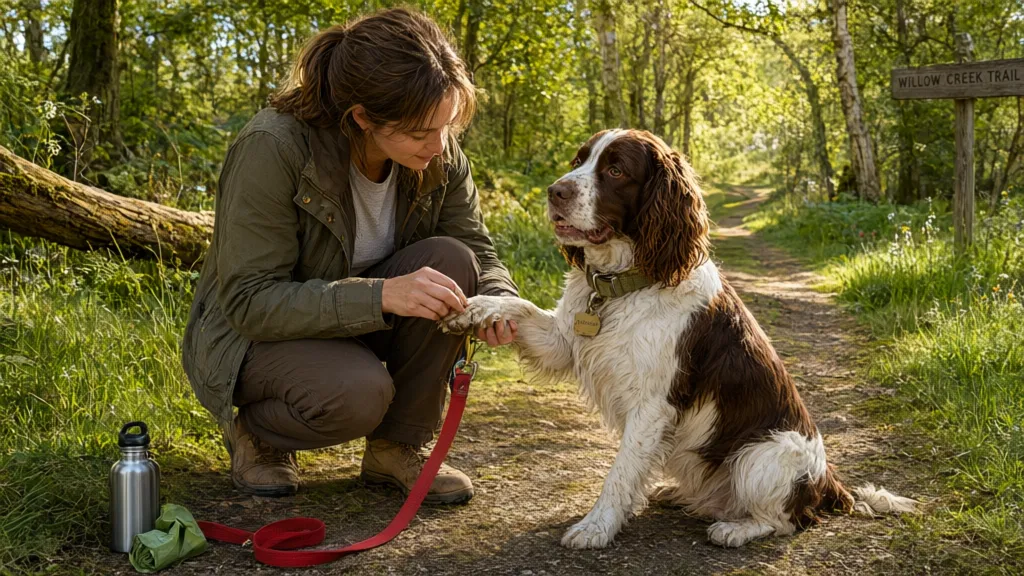
Use a leash or secure enclosure near roads, driveways, and open gates. A dog that bolts after a squirrel, bicycle, or unfamiliar person may not respond to a recall cue while highly aroused. Check gates before releasing the dog, supervise children entering and leaving, and keep dogs restrained in a vehicle; an unsecured dog can be injured in a collision or distract the driver. Fit collars and harnesses to prevent escape without restricting breathing, and use identification and a current microchip registration in case the dog gets out.
Monitor for ticks, fleas, burrs, foxtails, and injuries after outdoor activity. Check ears, between toes, under the collar, and around the lips and eyes; foxtails can penetrate skin or migrate into ears and nostrils, causing swelling, discharge, repeated sneezing, or sudden lameness. Use parasite preventives appropriate to the dog’s species, weight, age, health, and local risks, and inspect the coat after walks through tall grass or brush. Persistent scratching, head shaking, limping, coughing, or a puncture wound warrants veterinary assessment.
Related Posts
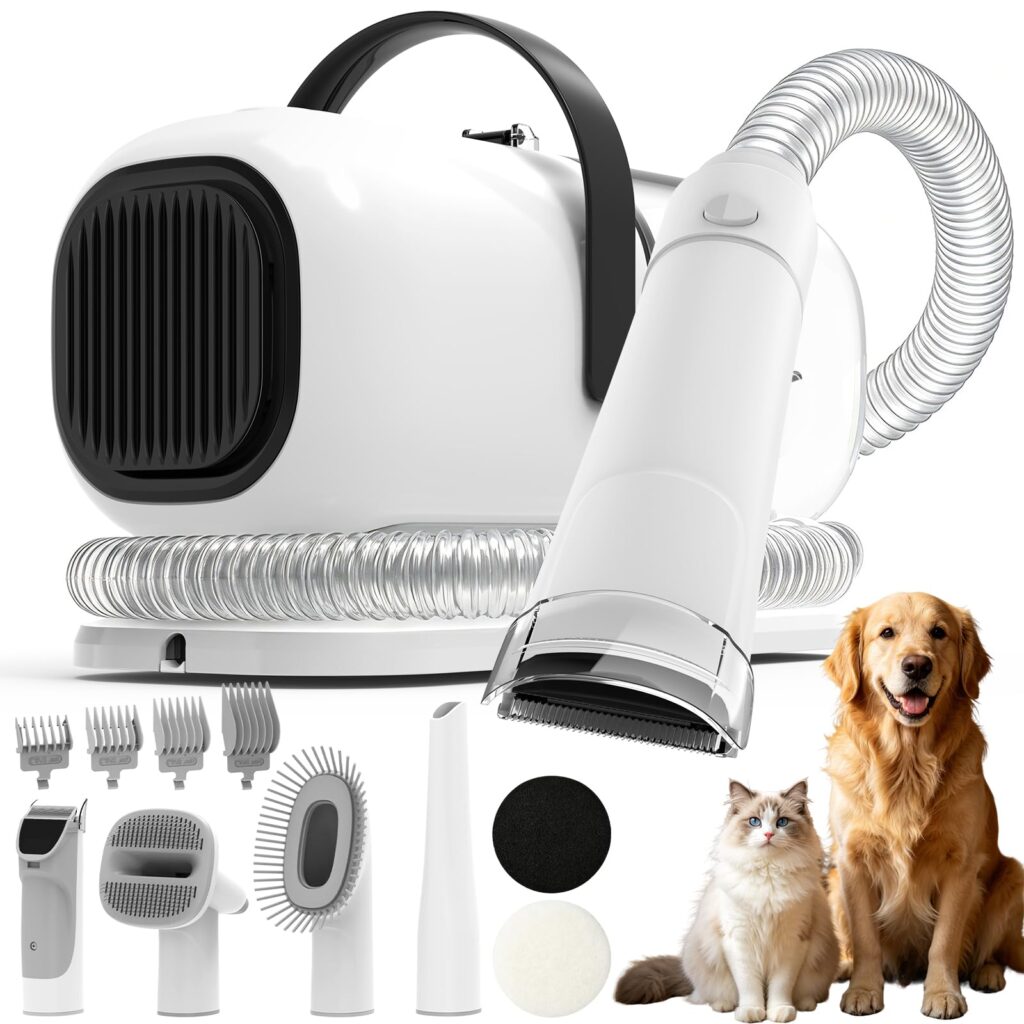
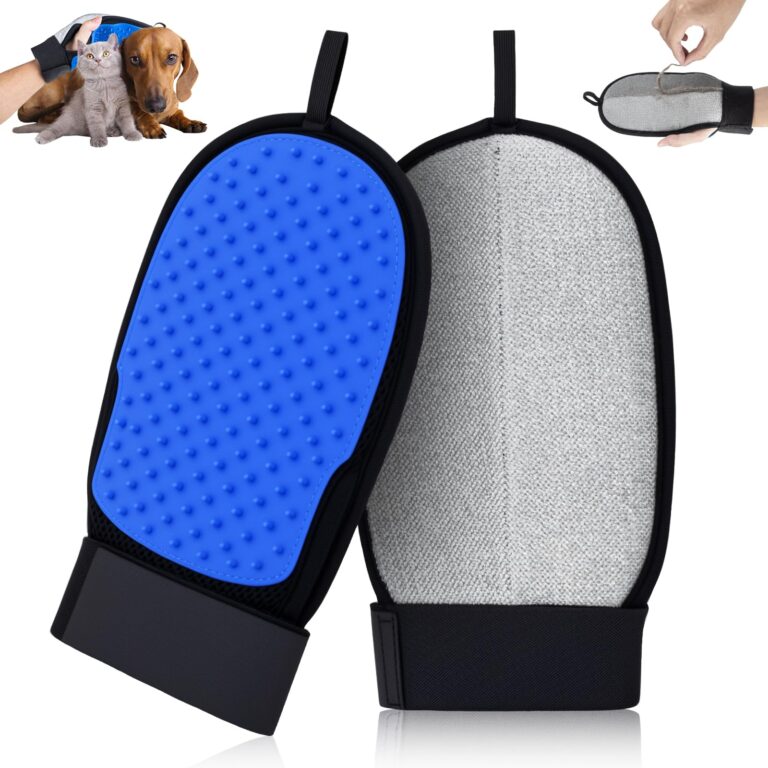
“PG01 Mulipurpose Pet Grooming Kit”

Canine Paleo Diet: A Natural Approach to Feeding