Teaching Your Dog to Fetch – Fun and Exercise Combined
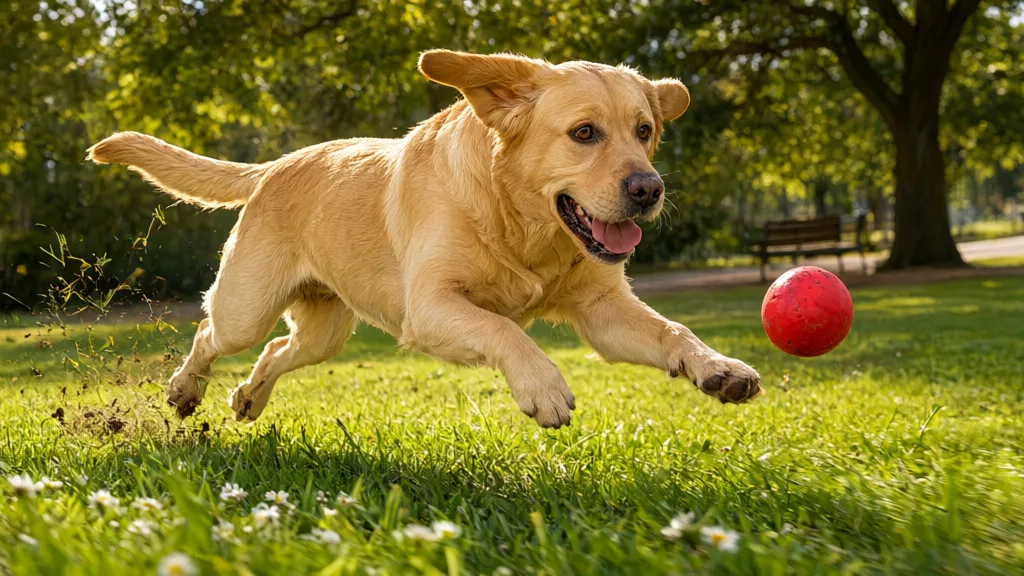
Engaging in fetch provides both physical exercise and mental stimulation, essential for a dog’s health and well-being. The act of retrieving involves complex behaviors that draw upon a dog’s natural instincts, particularly those in breeds historically bred for hunting or herding. For example, retrieving breeds such as Labrador Retrievers or Golden Retrievers exhibit a strong drive to chase and return objects, promoting higher energy expenditure and muscle activation, which helps to avert obesity and associated health risks.
Fetch also fosters cognitive engagement. The need for dogs to locate and retrieve a tossed object sharpens their problem-solving skills and enhances their capacity for focus and concentration. That is particularly beneficial for breeds predisposed to boredom-related behaviors, which can manifest as destruction or excessive barking if their mental stimulation needs are unmet. With proper training and repetition, dogs develop associative links between cues and actions, which can lead to improved obedience and responsiveness in other training contexts.
Regular participation in fetch games also aids in socialization, particularly in multi-dog households or playgroups. Dogs learn to navigate social hierarchies during play, enhancing their ability to read canine body language and establish communication cues. Owners should monitor during playtime for signs of overstimulation or competitive behavior, particularly in breeds such as Border Collies or Belgian Malinois, where drive may lead to excessive competitiveness or reactivity when retrieving toys.
Fetch can also serve as a behavioral modification tool, helping to redirect hyperactive or anxious tendencies. For example, using fetch in environments that provoke stress can mitigate anxiety by providing an outlet for energy through structured activity. That’s particularly advantageous in breeds with high energy levels like the Siberian Husky or Australian Shepherd, as insufficient opportunities for exercise can contribute to problematic behaviors such as digging or escaping.

Amazon Basics Leak-Proof Dog and Puppy Potty Training Pee Pads with Quick-Dry 5-Layer Super Absorbent Design, Regular Size 22 x 22 inch, Blue & White, 100 Count
$19.20 (as of October 23, 2026 12:02 GMT +00:00 - More infoProduct prices and availability are accurate as of the date/time indicated and are subject to change. Any price and availability information displayed on [relevant Amazon Site(s), as applicable] at the time of purchase will apply to the purchase of this product.)Furthermore, the human-animal bond is strengthened through interactive play such as fetch. This is particularly valuable for newly adopted dogs or those who have experienced trauma, as positive interactions and shared activities promote trust. Owners can use fetch to build a foundation of positive reinforcement, which very important for effective training and integration into a household.
The versatility of fetch allows it to be adapted for various environments and conditions, making it accessible for dogs of all ages and physical conditions. For older dogs or those with mobility issues, softer toys and shorter distances can be employed to reduce strain, still allowing them to participate in play while maintaining safety. By carefully considering the individual needs of a dog, fetch can remain a beneficial activity across their lifespan.
Choosing the Right Toys for Fetch
Choosing the right toys for fetch is critical not only for maximizing engagement but also for ensuring safety and enriching the retrieval experience. The material and design of the toys can affect a dog’s interest and the potential for dental health implications. For instance, rubber toys tend to be durable and can promote dental health by massaging gums during play, while plush toys, although less durable, may allure more to dogs with a strong instinct to carry soft objects. Selecting toys that are an appropriate size for the dog is essential; toys too small pose choking hazards, while those too large may hinder effective retrieval.
Textured toys can enhance chew appeal and increase a dog’s interest during fetch sessions. Dogs with strong chewing tendencies, like Pit Bulls or Rottweilers, often benefit from toys specifically designed for durability. Additionally, brightly colored or squeaky toys often capture a dog’s attention more effectively, making them more thrilling during play. However, caution should be exercised with squeaky toys; if a dog tends to chew through them and ingest parts, it can pose a risk of gastrointestinal obstruction. Monitoring the state of the toy after each session very important to prevent such hazards.
Environmental factors can also influence the type of toy chosen. For water-loving breeds such as Labrador Retrievers or Newfoundlands, floating toys made from buoyant materials are ideal for beach or pool fetch games. Conversely, when engaging in fetch on hard surfaces, such as asphalt, toys that are soft yet resilient can prevent dental injury and joint strain. Always ensure that the toy can handle the physical conditions; toys meant for indoor use may not withstand outdoor play, leading to rapid wear and potential dangers.
In some cases, dogs can exhibit specific preferences for toys based on their inherent behavioral traits. Herding breeds might show a preference for balls or discs that can mimic the movement of prey, while retrieving breeds may thrive with stuffed animals or rubber rings they can comfortably grip. Engaging with various toy types can also help expose dogs to new experiences and textures, fostering adaptability and reducing the likelihood of boredom.
Interactive toys that encourage problem solving can further amplify the physical and mental benefits of fetch. Toys that dispense treats upon retrieval not only reward a dog but can significantly increase motivation to participate in fetch. Additionally, incorporating toys that roll unpredictably can simulate natural hunting behaviors, enhancing cognitive engagement and promoting skill development. Observing a dog’s preferred methods of play will permit tailored fetch sessions that align with both physical exertion and mental stimulation.
Training Techniques for Success
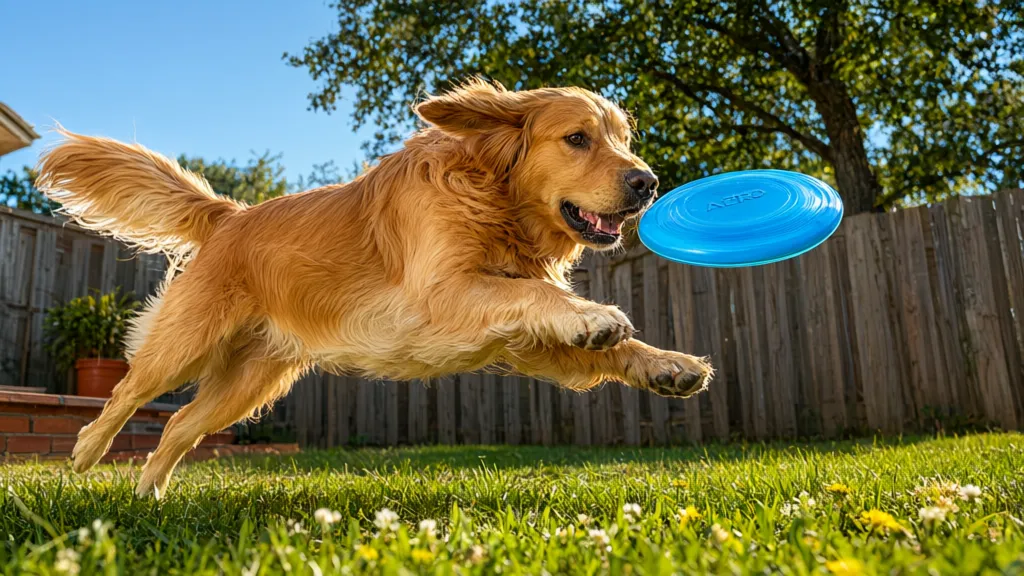
Effective training for the game of fetch hinges on foundational learning principles, using techniques that align with a dog’s natural instincts and cognitive capabilities. First, establishing a strong motivation is important. This can be achieved through high-value rewards, such as favorite treats or praise, tailored specifically to the individual dog’s preferences. Breeds with a strong prey drive, like pointer breeds, may respond better to toys that mimic movement, while breeds more driven by social interaction, such as Golden Retrievers, may focus on the joy of retrieving to please their owner.
Using positive reinforcement is critical in developing a successful fetch routine. Employing a clicker or verbal markers helps to reinforce desired behaviors, allowing dogs to make associations with their actions. For instance, when the dog retrieves the object and returns it, signaling this success through a click or praise can enhance the likelihood of repeat behavior. In addition, setting clear and consistent cues for beginning and ending the fetch game helps delineate expectations for the dog, facilitating smoother transitions during training sessions.
Gradually increasing the complexity of fetch exercises can further enhance the learning process. Begin in low-distraction environments to ensure the dog is focused, and progressively introduce varied surroundings—with more visual and auditory stimuli—as the dog’s responsiveness improves. This could involve practicing fetch in a quiet park and transitioning to busier areas where distractions might be present, like during neighborhood walks. Always be vigilant for stress signals, such as a lowered tail or reluctance to return, which may indicate that the environment is too overwhelming for the dog.
Understanding breed-specific tendencies aids in customizing training methods. For example, herding breeds may require more structured fetch games to prevent excessive energy from translating into disruptive behaviors, while retrievers often excel with simpler retrieval tasks. Including varied toss patterns, such as rolling or bouncing the object, can cater to a dog’s instinctual desires to chase and retrieve, keeping them engaged throughout the session.
Incorporating elements of gamification can enhance engagement. Techniques such as “hide and seek” with the fetch toy or introducing time challenges can stimulate both the dog’s intellect and energy. Furthermore, interacting varying toy types, such as introducing a plush toy then a ball, can keep the training experience fresh and engaging. Monitoring the dog’s enthusiasm can provide useful feedback; if disinterest sets in, consider modifying the activity or taking a short break to reset focus.
Safety during fetch training is paramount. Observing for injuries, such as limping or fatigue, can help prevent overexertion, especially in older dogs or those with known health issues. Ensure that the terrain is suitable; uneven surfaces or obstacles can promote injury risk. Additionally, make use of toys specifically designed for fetch, as those will secure both durability and safety, minimizing the likelihood of breaking or ingestion hazards that could arise during vigorous play. By consistently applying these training techniques while attuning to a dog’s specific needs, fetch can be both a productive and enjoyable activity that enhances physical fitness and behavioral compliance.
Incorporating Fetch into Your Routine
Incorporating fetch into a dog’s routine requires a strategic approach that balances physical exertion with mental stimulation, maximizing the overall benefits of the game. To effectively implement fetch, consideration of the dog’s daily schedule, energy levels, and environmental factors is essential. Dogs thrive on consistency, so designating specific times for fetch can create a reliable routine, fostering anticipation and enthusiasm in the dog.
Morning sessions can be optimal for high-energy dogs, as they often exhibit peak motivation and alertness after a night’s rest. Conversely, older dogs or those with lower energy levels may benefit from shorter, more frequent fetch sessions throughout the day, tailored to their stamina and health. Using a variety of locations—such as backyards, parks, or even indoor spaces—can enrich the experience and prevent monotony. The environment should be free from distractions to help the dog stay focused, especially during the initial training phases.
Incorporating a variety of fetch variations is also beneficial. Changing the type of fetch (e.g., ground versus aerial tosses, straight throws versus angled or rolling throws) can challenge a dog’s adaptability and keep them engaged. For instance, adding toys that bounce unpredictably can mimic prey movement, further enhancing the dog’s chasing instincts. Employing intermittent rewards during fetch sessions, such as quick pauses for treats or praise, can amplify motivation and maintain engagement, particularly for dogs prone to fatigue or distraction.
Using fetch as a form of controlled interaction with other dogs is another aspect to consider. Allowing dogs to engage in fetch with a canine playmate can promote healthy social behaviors. However, it’s critical to supervise these sessions closely to avoid conflicts, particularly in competitive breeds that may escalate into aggressive behaviors when toys are involved. Recognizing individual play styles and preferences for social interaction can inform better pairing of dogs during playtime.
In extreme weather conditions, such as high heat or severe cold, adaptations are necessary. Fetch can be modified with shorter sessions or alternative activities like indoor tug-of-war or fetch in a controlled environment using soft toys. This approach allows dogs with high energy demands to expend energy while avoiding heat-related illnesses or frostbite. Hydration should always be encouraged pre- and post-activity, as dogs can become easily dehydrated during vigorous play, particularly in warmer climates.
Monitoring behavioral cues is critical for adjusting the fetch routine to sustain interest and avoid potential stress or injury. Watch for signs of fatigue or decreased enthusiasm, such as lowered postures or slower responses, indicating it may be time to pause or switch activities. Incorporating rest periods facilitates recovery, particularly for younger or high-drive breeds that may push themselves beyond their limits. This understanding of physiological signals not only enhances the fetch experience but significantly contributes to the longevity of an active lifestyle for the dog.
Related Posts

How to Transition Your Dog to a New Diet Safely

Calming Dog Bed Mat