Canine Nutrition 101 – Customizing Meals for Your Dog

Canine nutrition is highly individualized, influenced by breed, age, weight, activity level, and specific health conditions. Puppies require increased protein and fat for growth, while adult dogs typically need a balance of macronutrients to maintain a healthy weight and energy levels. Older dogs may benefit from decreased caloric intake coupled with higher fiber to support digestive health and prevent obesity. Special attention should be given to breeds predisposed to certain health issues; for instance, large breeds like Great Danes require specific calcium and phosphorus ratios to prevent developmental orthopedic diseases, whereas small breeds may need a higher caloric density in their diets due to quicker metabolisms.
The dog’s activity level also significantly influences nutritional needs. Working dogs or those engaged in high-energy activities, such as herding or agility training, often require formulated diets that support stamina and recovery, including specialized fats and proteins. In contrast, sedentary dogs may be prone to obesity if their caloric intake is not restricted. Understanding a dog’s natural body condition score can aid in determining appropriate meal portions.
It’s essential to recognize signs of nutritional deficiencies or excesses, as these reflect the importance of precision in diet formulation. Symptoms such as dull coat, poor skin health, or lethargy can indicate a lack of essential fatty acids, vitamins, or minerals, while excessive weight gain signals overfeeding or inappropriate nutrient ratios. Owners should be vigilant for gastrointestinal disturbances, which can suggest the need for dietary alterations or professional consultation.
Water serves as a critical component of the diet. Dehydration affects metabolic processes and can lead to complications, particularly in high-energy or working dogs. Ensure that adequate fresh water is available at all times, as even mild dehydration can impair a dog’s ability to perform tasks and regulate body temperature.
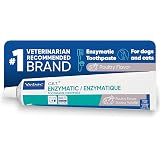
C.E.T. Enzymatic Toothpaste for Dogs and Cats, Poultry, 2.5oz | Plaque and tartar control for fresh breath, pet dental care toothpaste, Dual enzyme system, poultry flavored toothpaste
$11.37 (as of October 23, 2026 12:02 GMT +00:00 - More infoProduct prices and availability are accurate as of the date/time indicated and are subject to change. Any price and availability information displayed on [relevant Amazon Site(s), as applicable] at the time of purchase will apply to the purchase of this product.)Consideration for palatability should not overshadow nutritional quality; dogs may refuse nutritionally balanced diets if they lack appealing flavors or textures. Employing variety in protein sources and including palatable fats can enhance acceptability, particularly for finicky eaters. Customizing diets with whole food ingredients can also stimulate feeding behaviors and contribute to psychological well-being.
Allergies or intolerances are notable in many breeds, often manifesting as skin irritants, gastrointestinal issues, or behavioral changes. Identifying specific allergens and adjusting the diet accordingly especially important. A structured elimination diet, under veterinary supervision, can effectively determine potential allergens and guide dietary adjustments to restore health.
Monitoring blood work and attending regular veterinary check-ups enable prompt identification of deficiencies or excesses, allowing for timely modifications to dietary plans. Integrating health metrics with nutritional needs ensures a tailored approach that accommodates changing requirements throughout a dog’s life.
Choosing the Right Ingredients
Choosing ingredients for a dog’s diet necessitates an understanding of both their nutritional contributions and the individual dog’s requirements. Protein sources should be of high biological value, meaning they contain essential amino acids necessary for tissue repair, immune function, and energy. Animal-based proteins, such as chicken, beef, and fish, are typically superior to plant-based proteins due to better digestibility and amino acid profile. However, for dogs with sensitivities, alternative protein sources like lamb, venison, or even novel proteins like duck or kangaroo may be warranted to circumvent allergic reactions.
Carbohydrates can serve as an energy source, but their inclusion must consider the dog’s specific needs and health issues. Whole grains, such as brown rice and oatmeal, provide dietary fiber, which supports digestive health, while certain vegetables like sweet potatoes or peas offer vitamins and antioxidants. Nevertheless, some dogs may be sensitive to grains; diets free from grain can be beneficial for those affected by food intolerances or allergies. In such cases, relying on alternative carbohydrate sources, such as lentils or chickpeas, must be weighed against their potential impacts on digestive health.
Fats are crucial for maintaining skin and coat health, cognitive function, and cellular structure. The type of fat selected can influence inflammation and overall health. Omega-3 fatty acids from fish oil or flaxseed are highly beneficial, particularly for dogs with inflammatory conditions, while omega-6 fatty acids support skin health. Careful attention to fat ratios is important, as excessive fat can lead to obesity and pancreatitis, particularly in less active dogs.
Micronutrients, including vitamins and minerals, play varied roles, from supporting metabolic functions to building strong bones. For example, calcium and phosphorus must be balanced correctly in the diet, especially in growth stages, to prevent skeletal abnormalities. Additionally, the inclusion of antioxidants, such as vitamins E and C, supports immune function and protects against cellular damage. Dog owners should ensure that any commercial diet meets AAFCO standards, confirming that it is nutritionally complete and balanced.
Furthermore, considering sourcing and sustainability of ingredients has ethical implications; choosing high-quality, ethically sourced protein and fat sources outweighs cheaper alternatives that may compromise nutritional integrity. Assessment of ingredient lists should prioritize whole, recognizable foods and minimize fillers like corn or soy, which offer limited nutritional value. Transparency in ingredient sourcing and processing methods contributes to overall dietary quality, potentially influencing long-term health outcomes.

Lastly, it’s vital to monitor how your dog responds to the selected ingredients. Observing signs like coat condition, energy levels, and overall health can provide insights into the appropriateness of the chosen ingredients. Adjustments may be necessary based on these observations, particularly if any adverse reactions or health issues arise, warranting further dietary evaluation or professional consultation.
Customizing Meal Plans
When customizing meal plans, it is crucial to incorporate the dog’s specific life stages, health status, and lifestyle into the diet. For instance, a puppy’s rapid growth necessitates nutrient-dense formulations rich in protein and fat to support development, whereas senior dogs may require lower calorie intake coupled with increased fiber to promote digestive health. This requires an adaptation of macronutrient ratios. Additionally, physiological changes such as pregnancy or lactation in female dogs demand enhanced nutritional support, including higher caloric intake and specific nutrients like DHA for fetal development and milk quality.
Tailoring feeding schedules can also impact health outcomes. Puppies benefit from multiple small meals to accommodate their high metabolic rate, while adults may thrive on two meals a day to maintain consistent energy levels and digestive health. Feeding practices should be adjusted according to the individual dog’s needs, particularly in cases of medical conditions such as diabetes, where meal timing and content can influence blood sugar levels. Owners should also monitor body condition scores regularly to ensure appropriate weight management as dietary requirements evolve with age or activity level.
Weighing portion sizes based on caloric density is critical in meal customization. This is particularly relevant when choosing between commercially prepared dog foods and home-cooked meals, as home-prepared diets can easily exceed caloric requirements without careful measurement. Using specialized weighing devices can aid in portion control, while incorporating a variety of textures through mixed feeding—combining wet and dry food—can enhance palatability and ensure adequate hydration, particularly in dogs that may not consume enough water.
The addition of supplements may be warranted based on the dog’s specific needs or deficiencies identified through veterinary guidance. Omega fatty acids can enhance skin and coat health, while glucosamine and chondroitin can support joint function in senior or arthritic dogs. However, it’s essential to ensure that any supplementation does not lead to nutrient excesses that may cause adverse health effects.
Individualizing dietary plans requires an understanding of the dog’s behavioral responses to food. Adoption of positive reinforcement training techniques can support acclimation to a new diet, particularly if transitioning from a familiar food. Signs like refusal to eat or gastrointestinal disturbances can indicate inappropriate dietary choices, necessitating a reassessment of the ingredients being used. For sensitive dogs, gradual transitions over a week or longer may minimize these effects and allow for better acceptance of new formulations.
Frequent assessments of the meal plan’s impact on physical health, energy levels, and mental state are necessary to optimize dietary recommendations. Environmental factors, such as stressors or seasonal changes, can also influence nutritional needs, making periodic adjustments essential for maintaining holistic well-being in the canine diet.
Common Dietary Considerations
When addressing common dietary considerations, it’s imperative to assess the specific nutritional requirements of various breeds. Some breeds, like Labrador Retrievers, may have a predisposition to obesity, necessitating closer attention to caloric intake and portion control. In contrast, working breeds such as Border Collies may require a higher caloric density to sustain their energy levels during activities. Conditions such as hypothyroidism can influence metabolism and weight, mandating dietary adjustments to mitigate risks of excess weight gain.
Dietary sensitivities can result in gastrointestinal issues or dermatological reactions, requiring diligent monitoring and potential dietary elimination. For instance, breeds like the German Shepherd are known for their proclivity towards food allergies, often manifesting as itchy skin or recurrent ear infections. Using a limited ingredient diet with novel proteins can help pinpoint allergens. Additionally, psychological factors such as stress-related behaviors may surface in sensitive dogs during dietary changes, indicating a need for gradual transitions or the consideration of behavioral enrichment alongside dietary modifications.
Age-related factors must also be integrated into dietary considerations. Puppies require a nutrient profile that supports their rapid development, particularly in terms of protein percentage and calcium levels for skeletal growth. Conversely, senior dogs often benefit from diets that reduce calories while enhancing fiber to promote digestive function and minimize weight gain. Additionally, the metabolic rate in older dogs can affect their nutrient absorption, warranting higher concentrations of nutrients for effective maintenance of overall health.
Environmental factors, including climate and living conditions, play a significant role in dietary needs. For instance, dogs residing in warmer climates may have increased hydration requirements, making it essential to consider moisture content in their food. Similarly, active outdoor dogs may face increased caloric expenditure, making adjustments to their diet necessary to prevent energy deficits. The impact of seasonal changes on canine metabolism should not be overlooked, as colder months may require increased caloric intake for adequate warmth and maintenance of body weight.
Caloric imbalances from unmonitored treat distribution can lead to excessive weight gain and metabolic diseases. Limiting calorie-dense treats and opting for lower-calorie options, such as fresh fruits or vegetables (where safe for this breed), promotes better weight management. Additionally, it’s important to ensure that treats do not exceed more than 10% of the dog’s daily caloric intake, thereby supporting balanced nutrition while satisfying training rewards or behavioral needs.
Veterinary guidance remains vital in navigating dietary challenges. Regular veterinary check-ups, along with blood work and health assessments, can uncover underlying issues related to nutrition and help guide dietary modifications. Awareness of the unique health profiles of various breeds allows for timely intervention in cases of poor dietary response, leading to holistic improvements in the dog’s overall health and wellbeing.
Related Posts

How to Transition Your Dog to a New Diet Safely

Calming Dog Bed Mat