Bichon Frise

The Bichon Frise is believed to descend from a group of small, white dog breeds originating in the Mediterranean region. Evidence suggests that these dogs were bred for companionship as early as the 14th century, with their lineage tying back to the “Bichon” type dogs, which were integral to various European royal courts. Historical records indicate that the breed likely evolved from the Tenerife Dog, brought to Europe by sailors from the Canary Islands, specifically Tenerife, during the Spanish exploration era. These dogs were favored by nobility and eventually made their way into the homes of commoners, thanks to their social nature and appealing appearance.
The breed’s popularity surged during the Renaissance, where they were often depicted in paintings as companions to the upper class. Selective breeding focused on size, coat texture, and temperament, enhancing traits that appealed to both aristocrats and everyday families. The breed’s distinctive puffy, hypoallergenic coat derives from its lineage, providing a lower shed, making them suitable for households with allergies. The Bichon Frise was recognized by various kennel clubs in the 20th century, solidifying its status as a distinct breed, primarily recognized for its cheerful disposition and adaptability.
Genetically, the breed exhibits a combination of traits that reflect its historical roles—from alertness and playfulness to protective instincts. Its small size, typically between 9-11.5 inches in height and weighing around 7-12 pounds, enabled it to flourish as a companion animal, while its ancestry hints at the more utilitarian purposes it may have served in older societies. These factors contributed to the dog’s breeding towards companionship, making them less likely to exhibit extreme predatory or working instincts compared to other breeds. Understanding its origins provides insight into how selective breeding shaped the Bichon Frise’s genetic predispositions towards affectionate behavior, sociability, and attachment to humans.
Current breed standards emphasize maintaining this heritage, preserving not only the physical attributes but also the temperament that has made the Bichon Frise a beloved pet. Breeding practices today aim to reduce hereditary health issues commonly recognized in the breed, such as patellar luxation and skin conditions. Awareness of these historical contexts and breeding practices aids veterinarians and owners in anticipating potential health issues, allowing for proactive management and informed decisions regarding care and breeding practices. In essence, the historical significance of the Bichon Frise continues to influence its traits, wellness, and the dynamics of ownership in modern settings.

Now retrieving an image set.
Vital Essentials Freeze Dried Dog Treats, Beef Liver, 2.1 oz Bag | Single Ingredient, Made With 100% Beef Liver, Grain-Free Training Treats, USA Made with U.S. & Globally Sourced Ingredients
$5.99 (as of September 23, 2026 05:04 GMT +00:00 - More infoProduct prices and availability are accurate as of the date/time indicated and are subject to change. Any price and availability information displayed on [relevant Amazon Site(s), as applicable] at the time of purchase will apply to the purchase of this product.)Physical characteristics
The Bichon Frise exhibits distinct physical characteristics that not only contribute to its aesthetic allure but also reflect its functional lineage as a companion breed. Its most notable feature is the dense, curly, hypoallergenic coat, which consists of a soft undercoat and a characteristic outer coat that provides insulation. This double-layered fur is essential for temperature regulation, protecting the dog from environmental elements. Regular grooming is important to prevent matting and to maintain the coat’s health; a bi-weekly professional grooming, alongside daily brushing, is recommended to remove loose hair and prevent skin issues.
In terms of size, the Bichon Frise adheres to a standard height of approximately 9 to 11.5 inches and weighs between 7 to 12 pounds. This petite size not only renders this breed suitable for various living environments but also emphasizes its historical role as a lap dog. The breed’s compact and sturdy bone structure supports agility and playfulness, traits that are often observed during interactions. Such physical attributes, paired with its expressive dark eyes and cheerful disposition, enhance the breed’s role as an emotional support animal, as it naturally seeks companionship and connection with humans.
The head features a rounded skull with a broad, pronounced muzzle, allowing for an expressive, alert appearance. The Bichon Frise’s ears are long and hang down, covered in soft fur, which contributes to its overall fluffy silhouette. Notably, these ears, along with its expressive coat, can lead to a buildup of wax and debris, necessitating regular ear cleaning to prevent infections. The breed’s overall anatomy is designed to be robust and balanced, ensuring that physical activity and play do not lead to injuries; however, weight management is vital to avoid obesity, which is common in small breeds and can exacerbate joint issues.
<pFurthermore, the Bichon Frise's tail is feathered and carried high over the back, which adds to its balanced appearance. The tail serves as a fully functional communication tool, reflecting the dog's emotional state. Observing tail position and movement can provide insights into the dog's comfort and mood, crucial for effective behavior management. The breed's overall versatility in physical appearance—exemplifying both elegance and playfulness—can often mislead owners into underestimating the necessity for proper exercise and mental stimulation, which are vital for maintaining optimal health.
<pIn essence, the Bichon Frise's physical traits are a culmination of its historical purposes, breeding practices, and functional requirements as a companion. Appreciating these characteristics allows for better care practices that cater to the dog’s specific needs, ensuring it remains physically healthy and mentally stimulated throughout its lifespan.
Temperament and behavior
The Bichon Frise exhibits a temperament characterized by vivacity, intelligence, and sociability, making it an exceptional companion dog. The breed’s historical role as a lap dog has reinforced traits essential for bonding with humans. Specifically, their attachment to people may stem from selective breeding practices aimed at enhancing their suitability for companionship. These dogs typically display a playful demeanor, with a propensity for engaging in interactive play and activities. Their playful nature not only fosters a joyful household but also contributes positively to the emotional health of their owners.
Behavior patterns in the Bichon Frise can be influenced by environmental factors and socialization experiences. Early socialization with diverse people, animals, and settings is critical; it enhances adaptability and builds a confident character. Insufficient exposure during formative stages can lead to timidness or overexcitement in unknown situations, affecting behavior later in life. Additionally, observing gradual behavioral changes can help in identifying stress or discomfort, which may manifest as excessive barking or signs of anxiety. Regular interaction with varied scenarios is vital in reducing these behaviors, achieving a well-rounded canine temperament.
Challenge-driven engagement is essential for the breed. Their intelligence requires mental stimulation to prevent boredom, which may lead to destructive behaviors or hyperactivity. Incorporating training sessions that use positive reinforcement techniques can be particularly effective. This breed is responsive to reward-based systems, as their intrinsic motivation aligns with the pursuit of social approval and treats. Training should focus on consistent commands, basic obedience, and potentially agility tasks, fostering both cognitive and physical development.
While the Bichon Frise typically exhibits a balanced disposition, genetics can predispose individuals to certain behavioral issues. A strong inclination towards separation anxiety has been observed, likely due to their deep attachment to their families. Dogs especially sensitive to loneliness may benefit from crate training and gradual desensitization to prolonged absences. Signs warranting attention include excessive barking, destructive behavior, and attempts to escape when left alone. Implementing structured routines and gradually increasing alone time can mitigate these issues, promoting a more relaxed state when the owner is absent.
Interpreting body language very important for understanding the Bichon Frise’s emotional state. For instance, a wagging tail often indicates happiness, while stiff body posture may suggest fear or unease. Monitoring everyday behaviors, such as changes in appetite or energy levels, can serve as indicators of emotional or physical distress. Proactive observation in daily interactions and maintaining consistent routines supports optimal mental well-being. The breed’s playful yet sensitive nature requires a nuanced approach to training and socialization, thereby ensuring their emotional health and fostering a strong human-animal bond.
Care and grooming
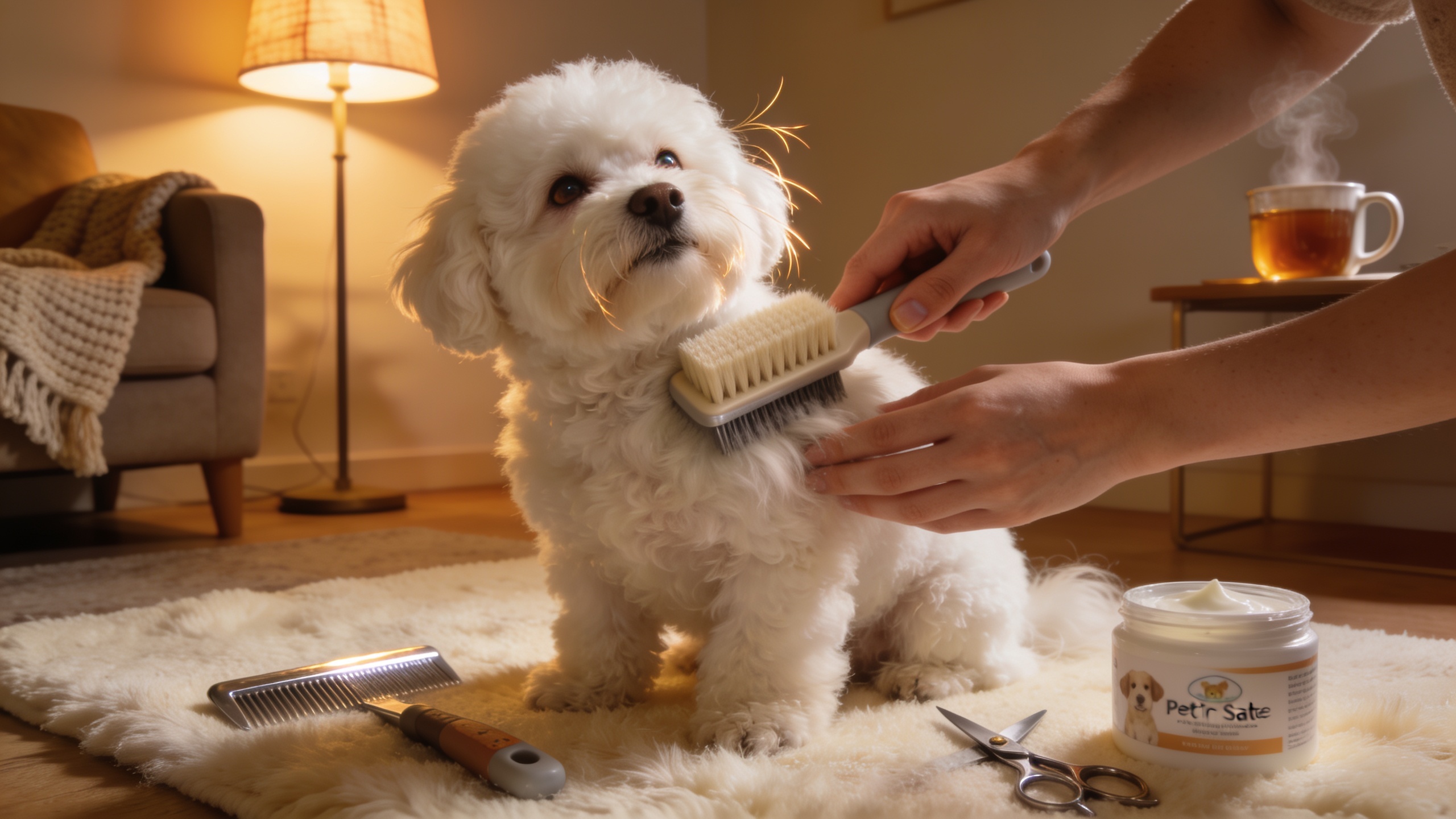
The Bichon Frise requires a dedicated grooming regime due to its distinct hypoallergenic coat, which consists of a soft undercoat and a curly outer layer. The texture and structure of this double coat play a significant role in its maintenance; they’re prone to matting if not adequately cared for. Daily brushing is essential to remove loose hair and prevent knots, with a requirement for more in-depth grooming every 4 to 6 weeks involving a professional groomer. Using appropriate tools, such as a slicker brush and a comb, can facilitate this process effectively, ensuring that the coat remains healthy and manageable.
Bathing frequency should be assessed based on lifestyle factors, such as exposure to dirt and allergens; typically, a bath every 4 to 6 weeks suffices. It’s crucial to use quality shampoos specifically formulated for sensitive skin, as Bichon Frises have a predisposition to skin allergies. After bathing, conditioning the coat aids in maintaining moisture and reducing static, which can lead to tangles. Additionally, thorough towel drying followed by gentle brushing can help prevent any irritation on the skin from dampness.
Ear care is another vital aspect of grooming. The Bichon Frise’s long, hanging ears can trap moisture and debris, creating an environment conducive to infections. Regular inspection and cleaning of the ears with veterinarian-recommended solutions can mitigate this risk. Owners should monitor for signs of wax buildup, odor, or excessive scratching, which can indicate underlying ear issues.
Nail maintenance is essential for overall health; the Bichon Frise’s nails should be trimmed every 3 to 4 weeks to prevent overgrowth and associated discomfort. Owners can use clippers or grinders, ensuring they avoid the quick to prevent bleeding. Regular nail care contributes to proper posture and gait, thereby reducing the risk of joint issues that can stem from uneven weight distribution.
Dental hygiene is imperative as well, given the breed’s susceptibility to periodontal disease. A comprehensive oral care routine should incorporate daily brushing and the use of vet-approved dental chews, which help reduce plaque and tartar buildup. Regular veterinary check-ups should include dental evaluations to monitor oral health and address any issues proactively.
Attention to diet should be included in the broader care strategy, as proper nutrition supports skin and coat health. Feeding the Bichon Frise a high-quality diet tailored for small breeds will provide essential nutrients for their unique requirements. Owners need to be vigilant about weight management, as obesity can lead to significant health risks, especially in small breeds like this one. Careful portion control, routine measurements of body condition, and adjustments in food intake aligned with their activity levels are advisable to maintain optimal health.
Related Posts
Canine Asthma – Symptoms and Treatment Options
Raw Bones for Dogs: Nutritional Benefits and Safety Tips