Teaching Your Dog to Be Calm During New Year’s Eve Celebrations
Canine anxiety, especially during significant events like New Year’s Eve, can manifest due to various stimuli such as fireworks, loud noises, and unfamiliar crowds. The underlying mechanisms involve a heightened stress response, predominantly influenced by the dog’s genetic predisposition, previous experiences, and current health status. Breeds like the Border Collie or German Shepherd may exhibit more pronounced reactions due to their sensitivity and heightened instincts, while others may remain less affected.
Physiologically, anxiety triggers a release of stress hormones such as cortisol and adrenaline, leading to increased heart rate, pacing, or even destructive behaviors. The fight-or-flight response, deeply embedded in canine biology, may prompt a dog to seek refuge or exhibit panic upon hearing loud noises. Anxious dogs often show palpable signs including excessive drooling, panting, trembling, or hiding, which may indicate a serious need for intervention.
Environmental factors also play a substantial role. If a dog has faced traumatic events from loud noises before, it may develop a conditioned response. Socialization in early puppyhood can mitigate these reactions; however, if exposure to stressful stimuli is limited or negative, this can reinforce anxiety. Additionally, older dogs or those with health complications such as arthritis may experience heightened distress due to discomfort exacerbated by stress during celebrations.
Breeding history also informs behavior. For instance, breeds developed for guarding or herding tasks often display a pronounced alertness to their surroundings and may be more reactive to sudden stimuli. Conversely, breeds bred for companionship may have less sensitivity, indicating that understanding your dog’s specific lineage especially important in anticipating its response to stressors.

Best Pet Supplies Interactive Squeaky Dog Toy - Crinkle Duck, Blue | Stuffing Free Body, Soft, Squeaks & Crinkles, No Mess, Perfect for Moderate Chewers, Toss and Fetch Play
$5.99 (as of October 23, 2026 12:02 GMT +00:00 - More infoProduct prices and availability are accurate as of the date/time indicated and are subject to change. Any price and availability information displayed on [relevant Amazon Site(s), as applicable] at the time of purchase will apply to the purchase of this product.)Common warning signs to monitor include changes in behavior such as increased clinginess, refusal to eat, or excessive vocalization. Proactively identifying these signs can provide insight into your dog’s mental state and facilitate preemptive measures. Dogs demonstrating behaviors such as compulsive licking or chewing may experience an escalation in anxiety levels and require immediate attention.
Management strategies include gradual desensitization, where the dog is slowly exposed to recorded sounds of fireworks to build tolerance. This technique, coupled with positive reinforcement, can effectively decrease anxiety responses over time. Providing a safe space—such as a den-like area equipped with soundproofing and calming pheromones—can also help create a nurturing environment conducive to relaxation amidst chaotic celebrations.
Understanding the nuanced factors contributing to canine anxiety during high-stress events is essential for developing effective management strategies. Owners must assess both intrinsic factors like genetic predispositions and extrinsic factors such as environmental triggers to tailor interventions appropriately.
Preparing Your Home for Celebrations
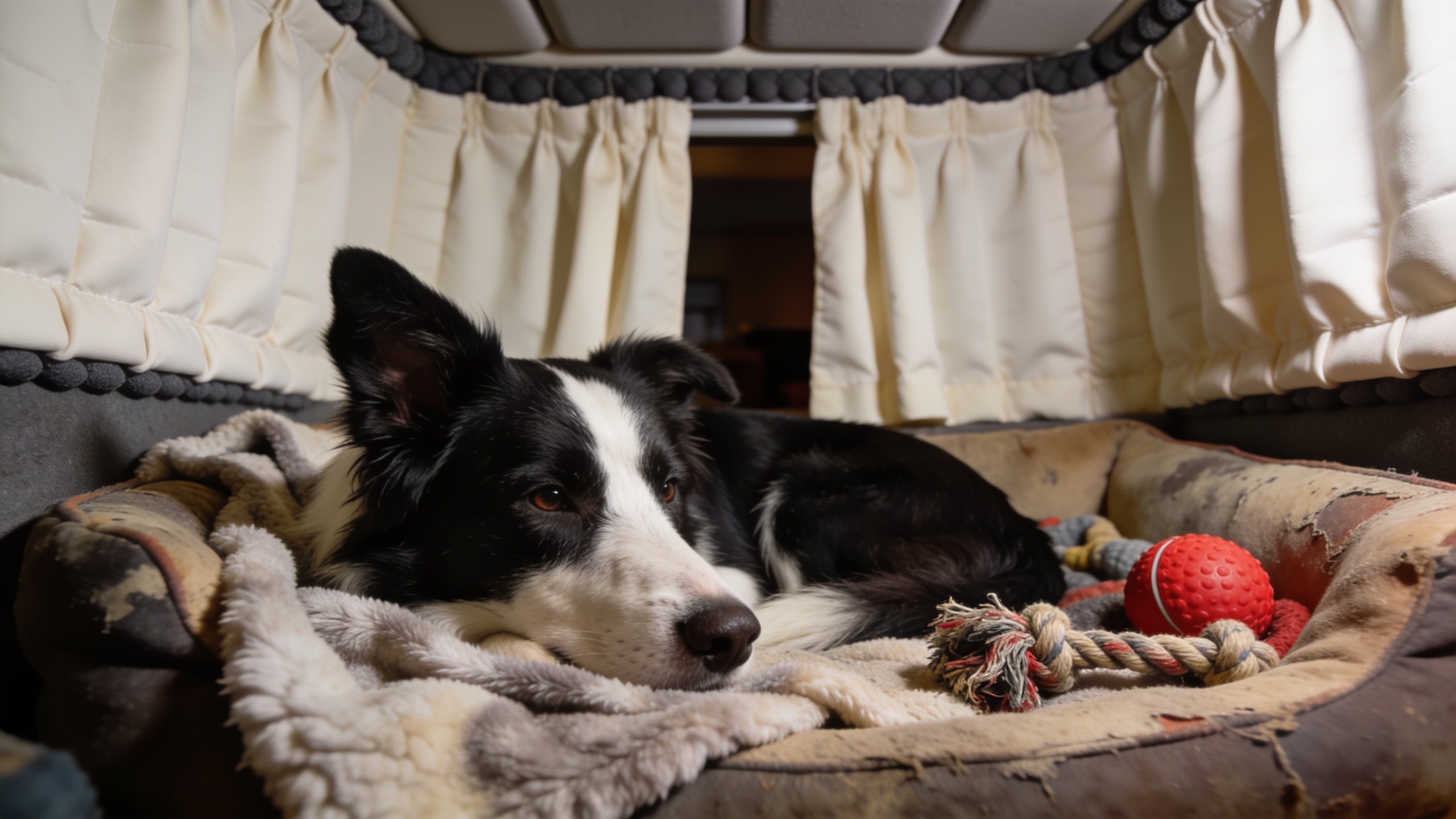
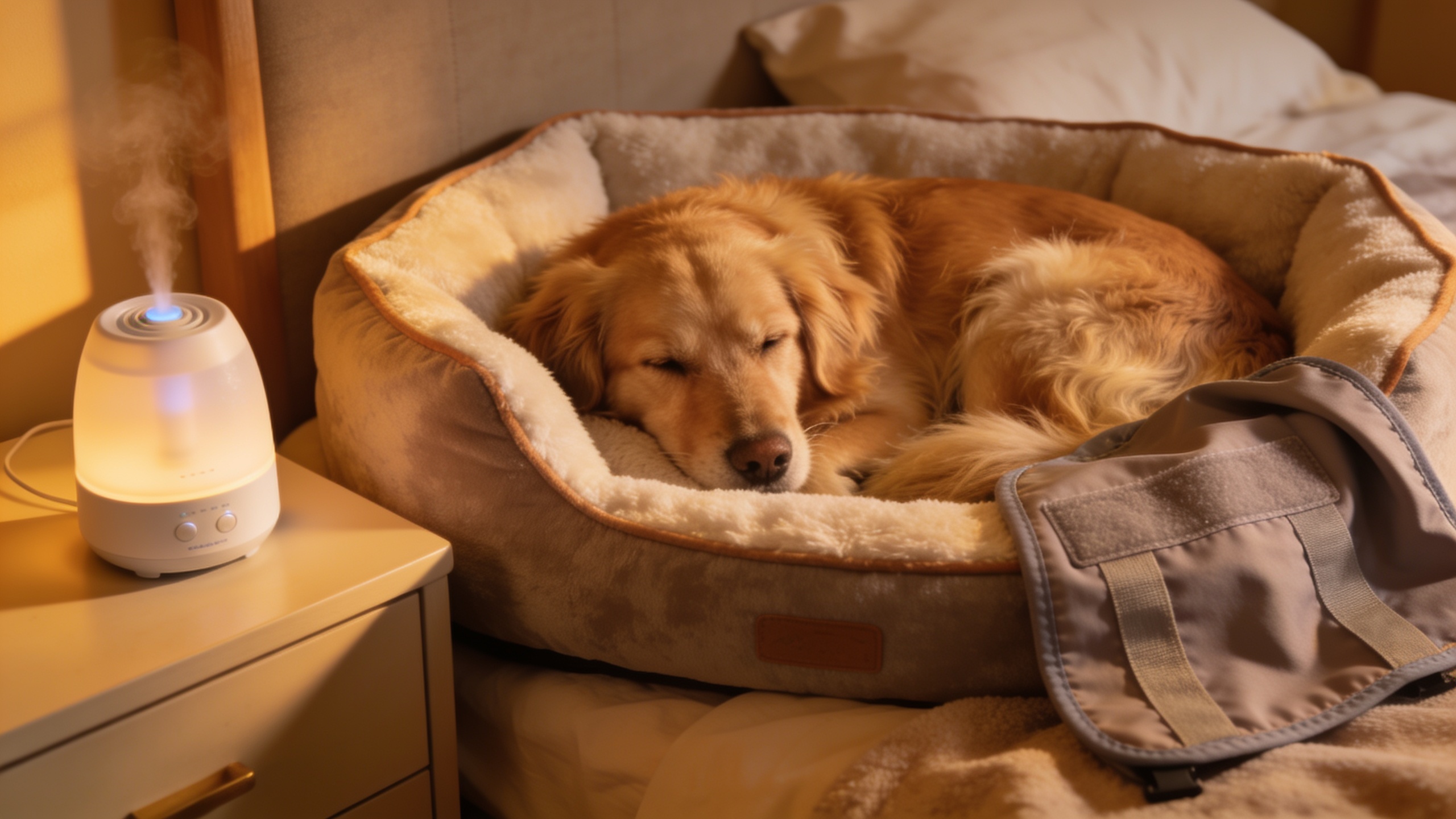
Creating a serene environment in your home during New Year’s Eve celebrations requires careful attention to both physical and emotional aspects of your dog’s well-being. Begin by establishing a designated safe zone within your home, preferably in a quiet room away from the festivities, where your dog can retreat if overburdened. This space should be comfortable, ideally equipped with familiar bedding, favorite toys, and access to water. Soundproofing measures, such as heavy curtains or soundproof panels, can help minimize the impact of external noise. Additionally, consider using white noise machines or calming music specifically designed for dogs to mask disruptive sounds.
Prior to the event, engage in a thorough decluttering of the designated safe area. Remove any items that could pose risks, such as potentially hazardous materials or objects that could be knocked over during moments of panic. Ensure that the area has limited access points to prevent your dog from escaping or becoming overly stimulated by external activity. Visual barriers, such as pet gates, will help define the space while providing a sense of security.
Familiar scents, particularly those associated with your dog, can also significantly reduce anxiety. Introducing calming pheromone diffusers or sprays, which mimic natural canine scents, can help to create a more relaxing atmosphere. These products are scientifically formulated to elicit a calming response and can be particularly beneficial for highly reactive breeds. Consider the addition of familiar bedding or an article of your clothing to enhance the sense of safety.
It is essential to maintain the familiar routine for your dog as much as possible. Stick to regular feeding schedules and exercise routines leading up to the celebrations. Physical activity can promote the release of endorphins and reduce pent-up excitement or anxiety. Tailor the intensity and duration of exercise based on your dog’s age and physical condition; for older dogs or those with health issues, shorter, more frequent walks may be more effective than prolonged vigorous activity.
During the event, close off access to windows or doors where your dog might fixate on the outside world. Visible stimuli from fireworks or crowds can quickly exacerbate anxiety levels. If your dog displays signs of distress, such as pacing or excessive barking, remain calm and avoid reinforcing the behavior through attention. Instead, redirect your dog’s focus to a puzzle toy filled with treats to engage their mind and provide a positive distraction.
Monitoring your dog’s behavior during this time is important. If they show signs of distress even within their safe zone, reevaluate the environment and consider additional supportive measures, such as a snug wrap or anxiety vest, which can provide gentle pressure and promote comfort during moments of heightened stress. Additionally, consult with your veterinarian about the potential use of calming supplements or medications specifically designed for situational anxiety, particularly for dogs with a known history of stress responses to noise.
Training Techniques for Calmness
Effective training techniques to foster calmness during high-stress events such as New Year’s Eve are essential in mitigating anxiety. Employing desensitization through controlled exposure is a foundational method, whereby a dog is gradually introduced to the stimuli that trigger its anxiety. This can begin with recorded sounds of fireworks played at low volumes, paired with high-value treats to create positive associations. Progression to louder volumes should be carefully monitored, ensuring that the dog does not exhibit signs of stress before moving to the next level of exposure.
Counter-conditioning is another potent approach, wherein the negative emotional response to specific triggers is replaced with a positive one. For instance, if a dog remains relaxed and focused during exposure to recorded fireworks, rewarding with treats or affection helps reinforce this calm state. The timing of the rewards is critical; they must coincide with the dog’s calm behavior to effectively modify its emotional response.
Incorporating obedience commands such as “sit” or “stay” within the context of controlled exposure can also facilitate a deeper, behavioral modification. Training sessions should use these commands during simulated stressful situations, emphasizing the importance of calmness and focus. This practice not only fosters engagement but also allows the dog to learn to prioritize commands over distractions present in their environment.
Avoidance of punishment or negative reinforcement during these training exercises very important, as it may inadvertently heighten anxiety levels. Instead, focus on positive platforms that encourage relaxation. For dogs with a genetic predisposition to anxiety, such as the American Staffordshire Terrier or the Cavalier King Charles Spaniel, the reinforcement of calm behavior can substantially alter their response to stressors.
Using calming aids, such as anxiety wraps or pheromone collars during training can aid in promoting a relaxed state, making it easier for the dog to learn desirable behaviors in high-stress contexts. These products work by providing gentle pressure or releasing calming substances that trigger soothing neuronal pathways. However, trainers should ensure these aids are compatible with the training techniques being employed.
The timing of the training sessions is equally important; conducting these practice sessions in the days leading up to the event can maximize the effectiveness of your dog’s learning. Dogs retain associative learning more effectively when it is regular and spaced appropriately, thus ensuring that the reinforcement strategies are fresh in their minds prior to an event.
Lastly, the learning environment must remain conducive to calmness. Reducing distractions during training sessions, using a quiet space free from external stimuli, allows dogs to focus solely on the training process. Monitoring each session’s length and frequency prevents overwhelming the dog, especially if the animal shows signs of fatigue or stress. Adapt your strategy to accommodate your dog’s individual temperament and learning curve, acknowledging that some breeds may require more time to adapt to these techniques compared to others.
Post-Celebration Care and Comfort
Post-celebration care is an important aspect of managing your dog’s well-being after potentially stressful events like New Year’s Eve. The immediate aftermath of such occasions may leave dogs feeling disoriented or anxious due to residual stress from the noise and commotion. Observing your dog’s behavior closely during this time can provide insights into their emotional state; dogs may exhibit signs of lingering anxiety such as restlessness, avoidance behaviors, or excessive grooming which can lead to skin issues if untreated.
To facilitate recovery, first ensure that the designated safe zone remains open and accessible, offering a calm refuge where the dog can feel secure. Continuously reinforcing this space with positive interactions and treats can help the dog associate it with comfort and relaxation. Gradual reintroduction to normal routines, including regular feeding and exercise schedules, is essential. Maintaining structure can help alleviate any residual anxiety your dog may experience.
The use of calming supplements or pheromone products may be beneficial during the recovery phase. Products containing L-theanine or chamomile can support relaxation without sedation, promoting overall mental health. If your dog has shown heightened anxiety previously, discussing the long-term use of these options with a veterinarian can be prudent. Additionally, physical contact—such as gentle petting or massage—can release endorphins, helping to further relieve post-event stress. Targeting areas such as the shoulders and neck can promote relaxation and comfort.
Monitoring hydration levels is vital, as stress can impact a dog’s desire to drink water. Offer fresh water frequently and encourage hydration to prevent any complications from dehydration. In cases where a dog refuses food or exhibits confusion, consultation with a veterinarian is critical to address any underlying health concerns exacerbated by stress or anxiety.
Behavioral therapy or continued training sessions aimed at reinforcing calmness can be valuable following an anxiety-inducing event. Incorporating low-stress activities, such as nosework or puzzle toys, can provide mental stimulation while promoting relaxation. The gradual reintroduction of normal activities should consider the dog’s specific reactions, as some may benefit from a slower return to their usual routine.
Creating a comforting and safe environment post-celebration is pivotal. Reassess the environment to ensure it promotes calmness and security. This may involve revisiting soundproof measures used during the celebrations, as well as limiting exposure to loud noises or chaotic settings for a few days thereafter. Being cognizant of your dog’s emotional state and honoring their need for calm will aid in their recovery and foster resiliency for future high-stress events.
Related Posts
How to Transition Your Dog to a New Diet Safely
Calming Dog Bed Mat