Understanding the Glycemic Index in Dog Foods

The glycemic index (GI) is an important metric in evaluating the carbohydrate quality of dog foods, impacting glucose levels and insulin response. Unlike humans, dogs possess a different digestive enzyme profile and metabolic response, leading to unique GI considerations. The GI ranks carbohydrates on a scale from 0 to 100, indicating how quickly a carbohydrate source raises blood glucose levels. High-GI foods, typically above 70, can result in rapid spikes in blood glucose, followed by potential crashes, while low-GI foods (below 55) promote a gradual rise in glucose, mitigating insulin surges.
Understanding GI requires assessing both the carbohydrate type and its composition. Simple carbohydrates, such as sugars, have higher GI values due to their rapid digestion and absorption. In contrast, complex carbohydrates, such as those found in whole grains or legumes, generally have lower GIs because they take longer to break down. Additionally, the presence of fiber, fats, and proteins in a meal can lower the overall GI by slowing gastrointestinal transit and glucose absorption. For instance, a diet rich in soluble fiber can enhance glycemic control by promoting satiety and reducing postprandial glucose peaks.
Age, breed, and health status significantly influence how dogs process carbohydrates. For example, senior dogs often exhibit decreased metabolic rates and altered glucose tolerance, necessitating diets with lower GIs to avoid hyperglycemia. Breeds predisposed to diabetes mellitus, such as the Miniature Schnauzer, benefit from low-GI foods, which can aid in blood sugar management. Inactive or overweight dogs are particularly susceptible to insulin resistance, exacerbated by high-GI diets, making it essential for these animals to consume energy-dense but low-GI foods to maintain balanced glucose levels and support weight management.
Moreover, certain medical conditions, such as pancreatitis and obesity, necessitate careful regulation of carbohydrate quality and quantity. High-GI foods can provoke inflammatory responses and exacerbate existing health conditions, while low-GI diets may support recovery and overall health. Monitoring glycemic response in dogs can be achieved through regular blood glucose testing, enabling owners to identify dietary influences on glucose levels. Observable signs such as lethargy, excessive thirst, or sudden weight changes may indicate poor glycemic control, warranting dietary reassessment.

Earth Rated Dog Wipes for Paws & Butt, Deodorizing, Unscented, 100ct | Hypoallergenic, 3-in-1 Cleaning and Hydrating, for Grooming Paws, Body and Butt
$8.99 (as of October 23, 2026 12:02 GMT +00:00 - More infoProduct prices and availability are accurate as of the date/time indicated and are subject to change. Any price and availability information displayed on [relevant Amazon Site(s), as applicable] at the time of purchase will apply to the purchase of this product.)Ultimately, the inclusion of the glycemic index in formulating a dog’s diet allows for a more tailored nutritional approach that supports optimal energy levels, weight management, and long-term health. Regular consultation with a veterinary nutritionist can aid in individualizing dietary strategies based on GI, breed, age, and health factors, ensuring a holistic approach to canine nutrition.
Factors influencing glycemic index in dog foods
The glycemic index of dog foods is influenced by several critical factors, primarily the carbohydrate source’s nature and its processing. Grain-based ingredients, such as corn and wheat, typically exhibit higher GI values due to their high starch content, while whole grains like brown rice or oats often provide a lower GI due to their fiber content and slower digestibility. The physical form of the food also affects the GI; for example, kibble undergoes extrusion, which can alter its carbohydrate structure, potentially leading to higher GI outcomes compared to fresh or minimally processed foods.
Processing methods significantly dictate the glycemic response. Cooking methods such as steaming or baking can gelatinize starches, thereby enhancing their digestibility and raising their GI. Additionally, the presence of fillers or additives like sugars can artificially inflate the index. Monitoring ingredient labels is essential; formulations with high fructose corn syrup or other sugar sources should be avoided, as they increase rapid glucose elevation, leading to consequential insulin spikes.
Furthermore, the ratio of macronutrients plays a pivotal role. Diets incorporating adequate proteins and fats can mitigate the rapid absorption of carbohydrates, thus effectively lowering the overall GI. For canine athletes or working breeds, diets designed with a balanced macronutrient profile support sustained energy release without triggering insulin resistance, a critical consideration given the dog’s activity level and breed-specific metabolic requirements.
Dietary fiber proves to be an influential player in modulating GI. Soluble fibers, found in ingredients like beet pulp or psyllium, can form gels in the gastrointestinal tract, slowing the breakdown and absorption of carbohydrates. Conversely, insoluble fibers, while beneficial for digestive health, do not significantly impact glycemic control. It is vital to evaluate fiber sources’ quality; high-fiber diets composed of varying fiber types support glucose modulation and promote gastrointestinal health.
Individual canine factors further dictate how diet impacts glycemic response. For example, specific breeds, such as the Labrador Retriever, may demonstrate a genetic predisposition toward obesity, thus necessitating a vigilant approach towards GI management. Age and hormonal factors also dictate insulin sensitivity; younger, more active dogs generally handle carbohydrates more efficiently than older dogs or those with hormonal imbalance, like hypothyroidism, which alters glucose metabolism.
Moreover, a dog’s lifestyle and health history, including prior medical conditions such as diabetes, pancreatitis, or gastrointestinal disorders, must inform food selection. By integrating the impact of these influencing factors—ingredient type, processing methodology, macronutrient ratios, fiber quality, and individual health considerations—owners can formulate strategies for selecting dog foods that effectively manage glycemic index and support optimal health and vitality.
Choosing the right dog food based on glycemic index
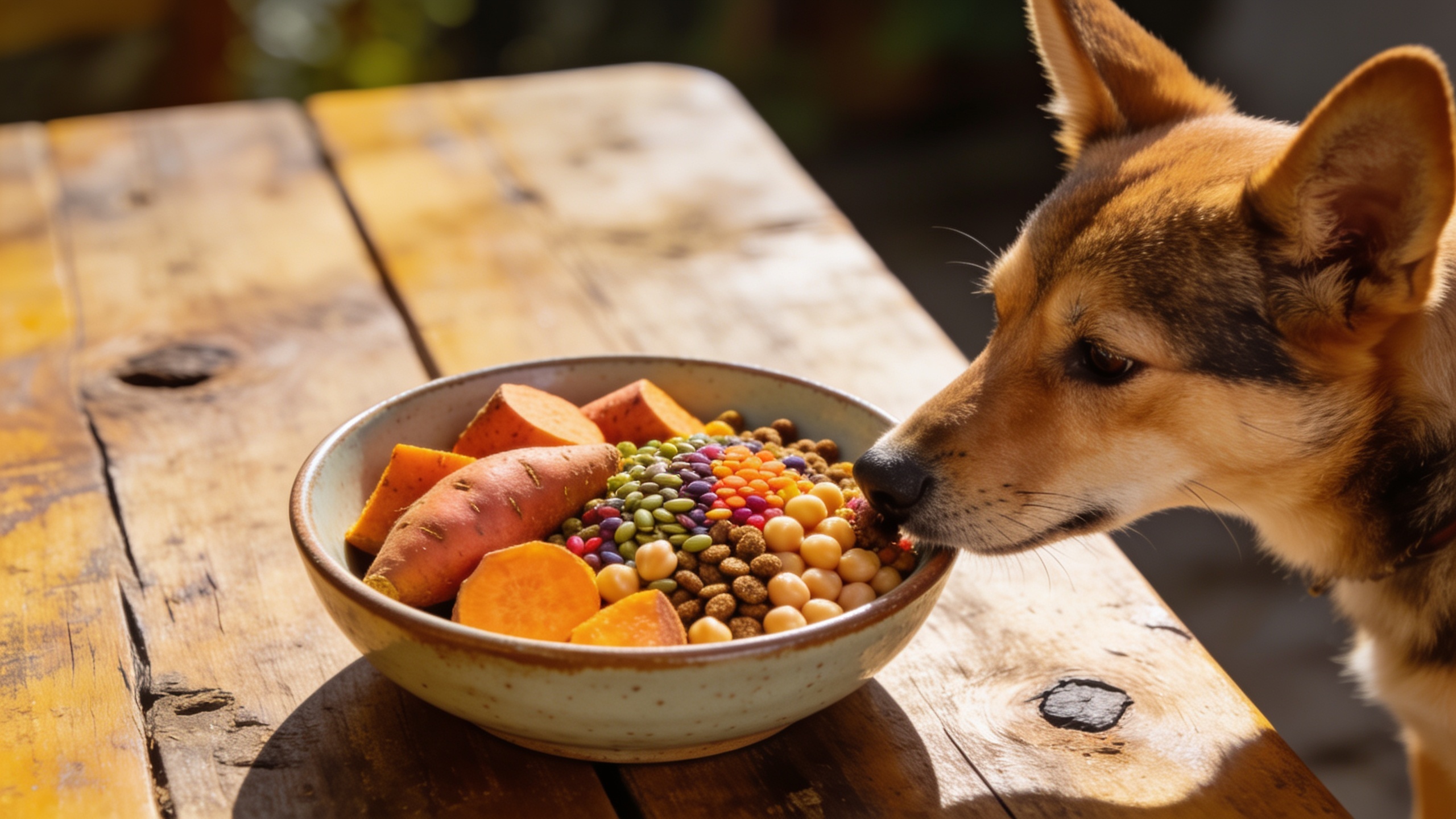
When selecting dog food based on glycemic index, owners must take a comprehensive approach that considers their dog’s specific nutritional needs and health conditions. A thorough examination of the ingredient list is paramount; look for high-quality carbohydrate sources with lower GI profiles, such as sweet potatoes, lentils, and chickpeas, while avoiding ingredients like corn and wheat, which can provoke sharp glucose spikes. Formulations that incorporate whole grains with a high fiber content, such as barley or oats, are preferable, as fiber can help mitigate fluctuations in blood sugar levels by delaying glucose absorption.
It very important to pay attention to the overall macronutrient balance in the diet. Dog foods that contain higher protein and healthy fat levels can decrease the glycemic response. That’s particularly relevant for breeds with a predisposition to obesity or diabetes, such as the Beagle or Boxer, where a diet rich in protein can help promote a healthy weight while ensuring stable energy levels. Select foods that list protein sources like chicken, fish, or lamb as primary ingredients rather than meat by-products or grains.
Consideration of a product’s processing methods can further influence GI. Highly processed foods, such as some extruded kibbles, may have elevated GIs due to their cooking processes, which gelatinize starches and increase digestibility. Opting for minimally processed diets, including freeze-dried or raw options, may prove beneficial, particularly for dogs with sensitive gastrointestinal systems or those requiring tailored management strategies for conditions like pancreatitis. Such diets usually retain higher nutrient integrity and provide a more balanced glycemic response.
In addition to GI, assessing the feeding regime is essential. Gradual transitions between foods are advisable, starting with small amounts of the new food mixed with the current diet to observe any signs of adverse effects, such as gastrointestinal upset or abnormal energy levels. Monitoring the dog’s body condition score and glucose response, particularly in at-risk breeds or older dogs, can help guide the selection process and confirm whether the new diet achieves targeted glycemic and weight management goals.
Consulting with a veterinary nutritionist can provide tailored recommendations that factor in the dog’s age, activity level, and specific health considerations. Individualized dietary plans based on each dog’s unique metabolism can optimize health outcomes and enhance quality of life. By focusing on targeted food choices that reconcile glycemic index with individual canine needs, owners empower their dogs to maintain optimal health and well-being.
Related Posts

How to Transition Your Dog to a New Diet Safely

Calming Dog Bed Mat