Bearded Collie
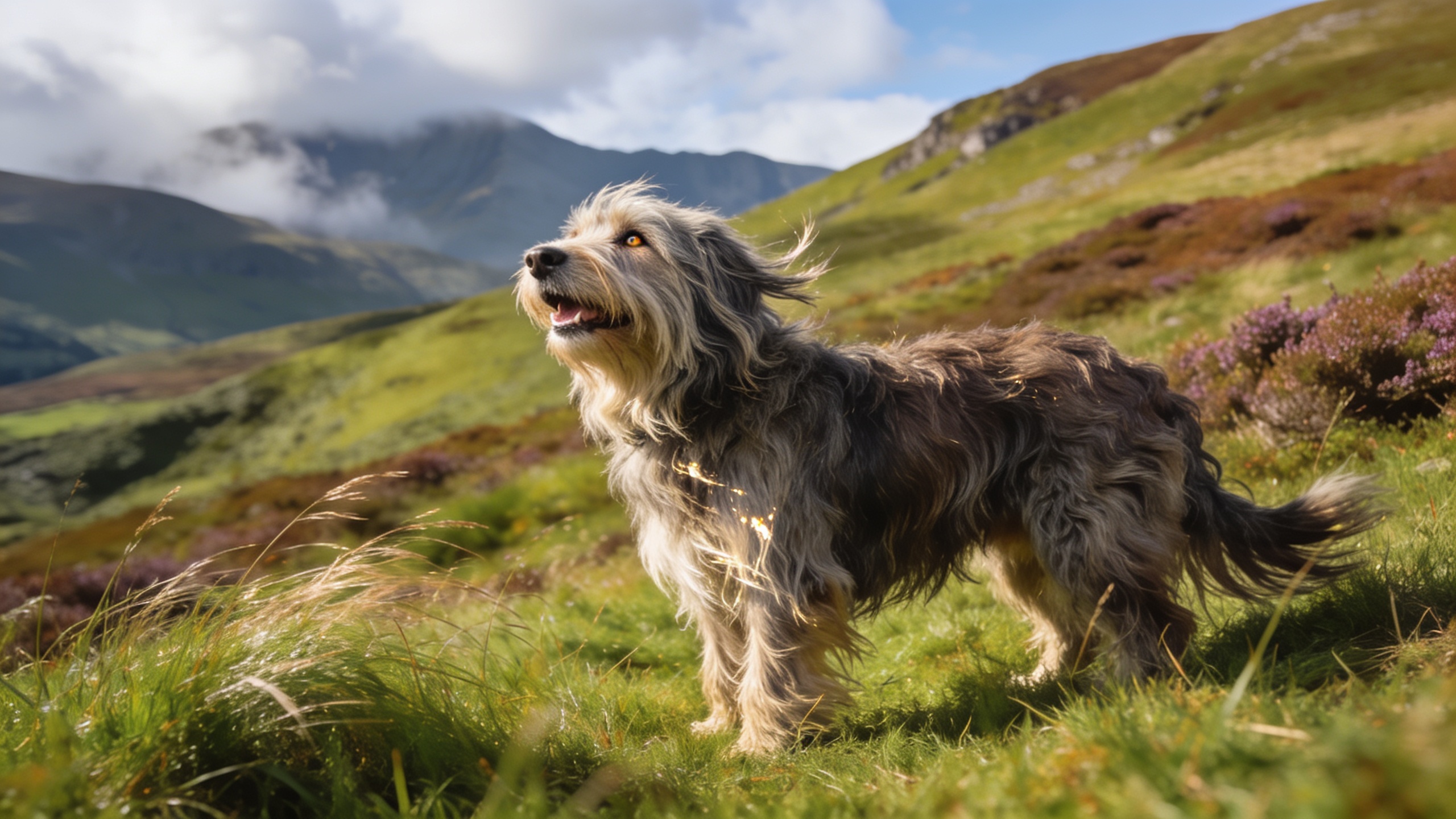
The Bearded Collie is a medium-sized herding dog built for sustained movement over uneven Scottish terrain, and that function still shapes its body and mind. The long, weather-resistant double coat protects against cold, wet conditions but also traps debris and moisture close to the skin, which is why coat management affects not only appearance but skin health and thermoregulation. The breed’s outline is intended for endurance rather than speed: flexible shoulders, balanced angulation, and a low, buoyant gait reduce fatigue during long work, while the strong head carriage and visual scanning behavior reflect a dog bred to monitor livestock at distance and respond to movement quickly.
Behaviorally, this is a work-first herding breed with high environmental awareness, quick pattern recognition, and a tendency to use motion control rather than force. Many individuals are sensitive to human tension, abrupt handling, and chaotic routines because selection favored dogs that could read stock and handler intention without constant pressure. That sensitivity can look like softness, but it’s better understood as rapid threat assessment combined with strong social attunement. A Bearded Collie that becomes noisy, circling, or difficult to settle is often responding to overstimulation, insufficient structure, or unresolved arousal rather than deliberate defiance.
The breed’s genetics support persistence, problem-solving, and a moderate to high activity threshold; these traits are useful in work but can create management issues in under-stimulated homes. Dogs that do not have a meaningful outlet for scanning, movement, and decision-making may develop nuisance barking, shadow or wheel chasing, fence-running, or impulse-driven herding of children and pets. These behaviors are usually reinforced by the dog’s own arousal cycle: movement triggers pursuit, pursuit increases arousal, and arousal makes self-interruption harder. Early intervention works best when exercise is paired with controlled decompression, predictable routines, and tasks that require pause and orientation rather than constant excitement.
Temperament varies, but a sound individual is usually observant, cheerful without being indiscriminate, and inclined to work in partnership rather than under pressure. Nervousness, sharp reactivity, or extreme clinginess are not desirable breed traits and may indicate poor socialization, chronic stress, or lines that have been selected without preserving working stability. Puppies often show their herding heritage early through crouching, stalking, and quick response to fast movement; these are not “bad habits” in themselves, but they should be redirected before they harden into compulsive patterns.

Milk-Bone Flavor Snacks Mini’s Dog Treats, 36 Oz. | 5 calories per treat, 15% protein, 3 flavors per canister (beef, chicken & bacon, naturally & artificially flavored)
$11.48 (as of October 3, 2026 09:10 GMT +00:00 - More infoProduct prices and availability are accurate as of the date/time indicated and are subject to change. Any price and availability information displayed on [relevant Amazon Site(s), as applicable] at the time of purchase will apply to the purchase of this product.)From a welfare standpoint, the combination of coat, activity needs, and sensitivity means the breed does best with low-conflict handling, consistent boundaries, and owners who can read subtle stress signals such as lip licking, turning away, stiffness, or overbright scanning. The most reliable adult Bearded Collies are those whose early development preserved confidence, curiosity, and recovery after novelty, because those traits determine whether the dog can switch off after work or remain caught in perpetual vigilance.
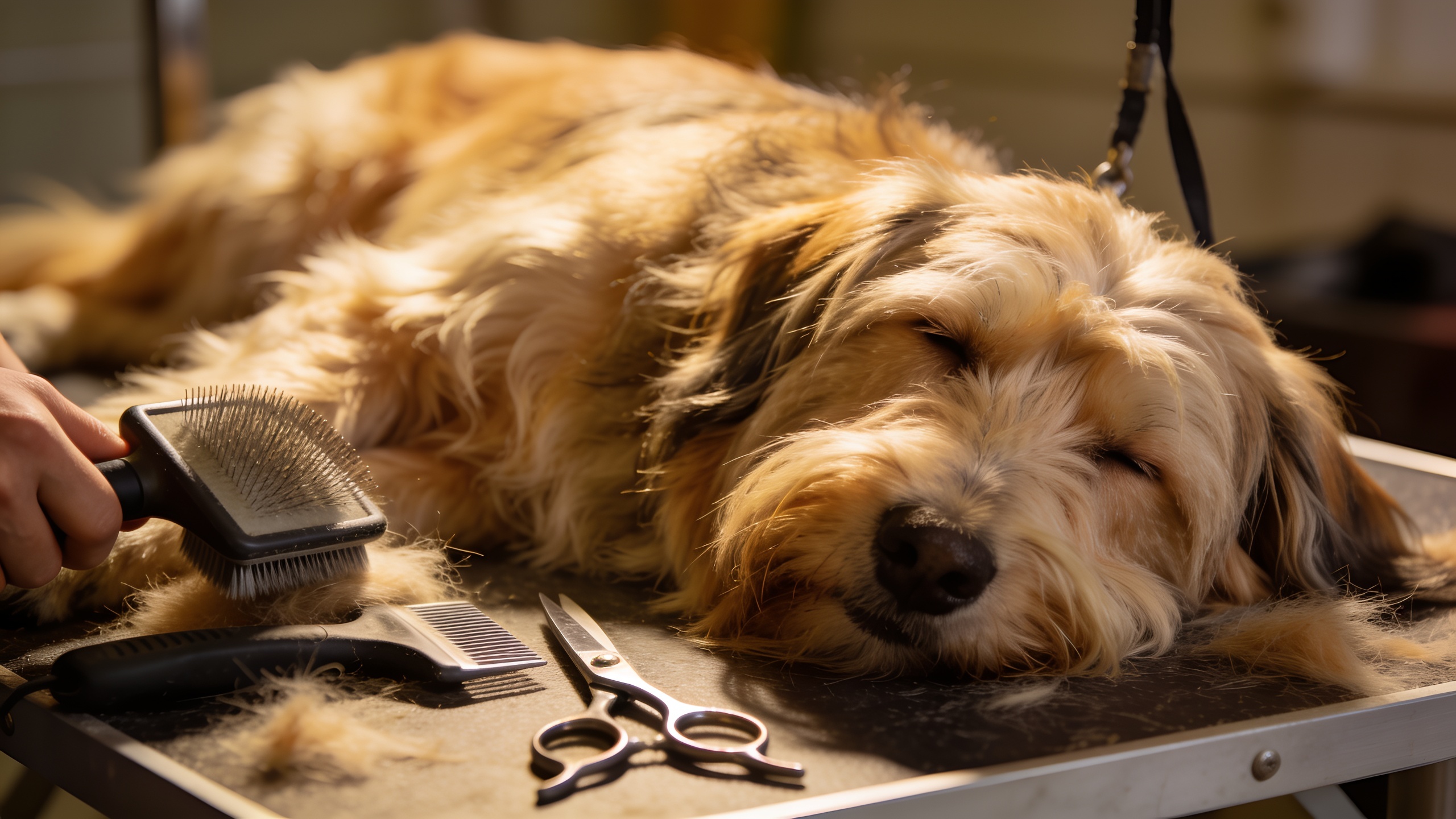
The coat requires management by technique, not by force. The undercoat and guard hairs mat first at friction points: behind the ears, in the axillae, at the collar line, groin, tail base, and along the pants on the hind limbs. Mats compress the skin, reduce air circulation, and hold humidity, urine, saliva, and plant material against the epidermis, which increases the risk of hotspot formation, bacterial overgrowth, and secondary yeast dermatitis. A Bearded Collie should be line-brushed to the skin in small sections rather than skimmed over the surface; superficial brushing removes only the top layer and leaves felted knots hidden beneath. For many dogs, two to four short grooming sessions per week prevent the coat from entering the dematting cycle, where each missed session makes the next one more painful and stressful.
Bathing should be timed to coat condition rather than done routinely on a fixed schedule. Dirty, but not matted, coat releases debris more easily after a full wetting and careful dilution of shampoo than after dry brushing alone, which can break hair and tighten tangles. Incomplete drying is a common cause of skin irritation in this breed because moisture trapped at the skin surface alters the microclimate and predisposes to maceration. The coat must be dried down to the skin in dense areas, especially in cooler climates or after exercise in rain, otherwise friction from movement will continue to work moisture into the coat. Blow-drying should be done with the air directed along the coat, not into the skin, and the dog must be taught to tolerate restraint, noise, and prolonged handling before a full grooming session is attempted.
Eye, ear, paw, and oral care are not cosmetic extras. Hair around the eyes can wick tears into the facial furnishings, causing staining and chronic dampness that may hide corneal irritation, inverted eyelashes, or allergic conjunctivitis. Ears with heavy hair and reduced airflow are more vulnerable to otitis externa, especially when swimming or when sebaceous buildup is left unchecked. The feet collect burrs and small stones; if these are ignored, the dog may begin to shorten stride or lick the feet, which is often the first visible sign of discomfort. Nails should be monitored closely because a breed that moves with a light, springy gait can still develop long nails that alter toe loading and reduce traction on slippery surfaces.
Coat care should be introduced as cooperative handling, not restraint. Dogs that have been habituated to stillness, brief pauses, and release cues are far less likely to resist grooming, and resistance itself often reveals pain before lameness or skin lesions become obvious. A dog that suddenly snaps during brushing, refuses to lie on one side, or flinches when a specific area is touched should be assessed for mat tension, skin infection, hotspots, musculoskeletal pain, or localized inflammation. In a breed with a thick coat, discomfort can be hidden until the coat is parted and the skin inspected directly.
Nutritional status influences coat quality and grooming burden. Inadequate protein intake, low essential fatty acids, poor digestibility, or chronic intestinal inflammation can produce dull, brittle hair and increased shedding, while high-calorie overfeeding leads to faster matting because an inactive body shape creates more friction folds in the coat. Maintaining lean body condition reduces grooming difficulty, preserves mobility, and lowers the risk of perianal and groin soiling. In young dogs, balanced growth matters because excessive weight gain during skeletal development can stress joints and make the coat harder to manage as the dog moves less willingly during handling.
- Inspect the coat to the skin after every muddy or wet outing; small tangles are easier to separate before they tighten.
- Prioritize high-friction areas and the ear margins, where concealed matting often begins.
- Use calm, predictable handling with short sessions to prevent grooming from becoming an arousal event.
- Check for skin odor, redness, grease, dandruff, or moisture in the undercoat as early signs of dermatitis.
- Consider any new reluctance to stand, turn, or tolerate brushing as a possible pain signal, not just resistance.
Related Posts
Puppy Pads with Pheromones

Coping with Canine Diabetes – Managing Blood Sugar Levels