Organic Dog Food: Hype or Healthier Option?
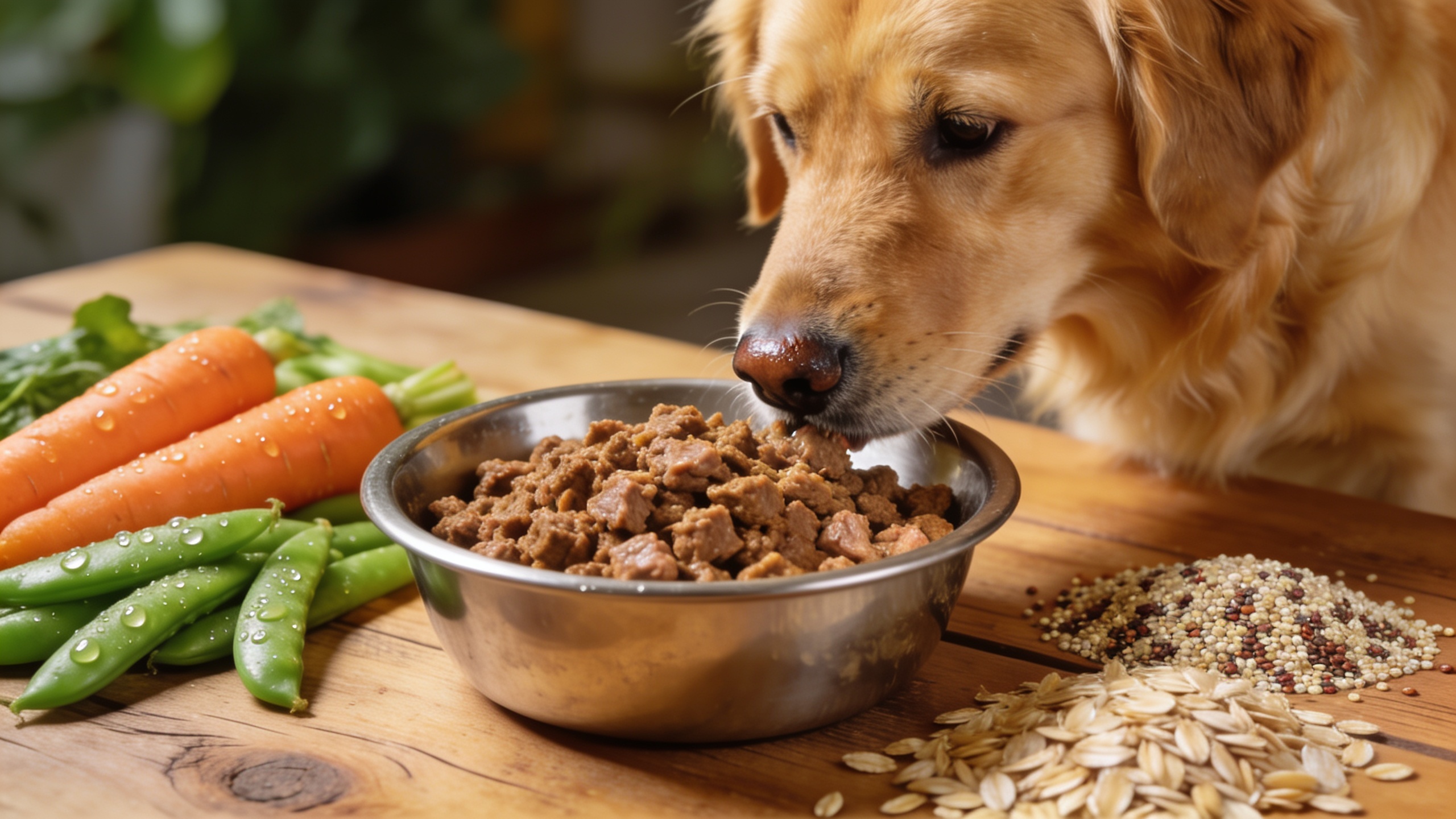
Organic certification refers to how ingredients are produced, not to an automatic increase in nutrient density. In most commercial diets, the crude protein, fat, vitamin, and mineral values are determined by formulation and processing, so an organic label does not guarantee higher amino acid quality, better omega-3 status, or improved digestibility. The actual nutritional advantage appears when the recipe uses identifiable animal proteins with fewer pesticide residues, fewer synthetic agricultural inputs, and lower exposure to certain mycotoxins and herbicide residues that may accumulate in conventionally grown feed crops. For dogs with chronic pruritus, recurrent otitis, soft stools, or unexplained gastrointestinal sensitivity, reducing nonessential chemical load can remove one variable that contributes to low-grade inflammatory burden, although it does not replace a properly balanced elimination diet when food allergy is suspected.
The most defensible nutritional benefit is ingredient traceability. Dogs with compromised liver function, inflammatory bowel disease, endocrine disease, or multiple food sensitivities may respond better when the diet contains fewer chemically treated crops and more transparent sourcing of meat, fat, and fiber components. That is especially relevant in toy breeds, line-bred sporting dogs, and senior dogs, where small body mass, reduced metabolic reserve, and cumulative exposure can make minor diet-related irritants more clinically noticeable. A clean ingredient list can also reduce palatability problems driven by rancid fats or highly processed meal fractions, which matters in dogs that self-regulate intake poorly and then develop weight loss, muscle catabolism, or bile-related nausea.
Organic diets may also support a more consistent fatty acid profile when the formulation includes fresh animal fats, organ meats, or marine oils sourced under tighter handling standards. That matters because skin barrier function, joint comfort, and neurobehavioral stability are influenced by essential fatty acids and by the oxidation status of the fat delivered. If the food is stored poorly or relies on fragile oils without antioxidant protection, the organic label alone does not prevent lipid peroxidation; in practice, smell, packaging integrity, and date coding often predict quality better than marketing language.
In puppies, the nutritional value of any organic food depends on calcium-phosphorus balance, energy density, and total digestibility, not organic status. Large-breed puppies are especially vulnerable to excess calcium or poorly controlled calorie intake, which can disrupt skeletal development even when the ingredients are organically produced. Working dogs may require higher metabolizable energy and faster glycogen replenishment than many organic formulas provide, so “cleaner” is not the same as performance-sufficient. Dogs with chronic stress or high arousal often eat irregularly; a highly palatable, well-digested organic recipe may improve intake consistency, but only if protein quality, fat stability, and micronutrient levels are technically sound.

Purina Pro Plan Veterinary Supplements FortiFlora Dog Probiotic Supplement | FortiFlora Probiotic Supplement with strain of probiotics promotes intestinal health and can help management of diarrhea
$30.99 (as of October 2, 2026 09:08 GMT +00:00 - More infoProduct prices and availability are accurate as of the date/time indicated and are subject to change. Any price and availability information displayed on [relevant Amazon Site(s), as applicable] at the time of purchase will apply to the purchase of this product.)Organic can reduce exposure to some agricultural residues, but its real nutritional value depends on formulation quality, digestibility, fatty acid integrity, and whether the diet fits the dog’s life stage and medical needs.
Owners often notice the practical benefit first through stool quality, reduced gas, improved coat luster, and less flaky skin, but these changes are nonspecific and can result from many dietary variables, including fiber type, protein source, and fat freshness. A dog that licks paws, scratches at night, or develops recurrent loose stool may improve on an organic diet if the trigger was a low-grade intolerance to residues or a simpler ingredient profile, yet persistent signs suggest another mechanism such as environmental allergy, parasites, pancreatic disease, or a true ingredient hypersensitivity. The most useful evaluation is objective: stool consistency, body condition score, itch pattern, and coat condition over several weeks, not the presence of the word “organic” on the bag.
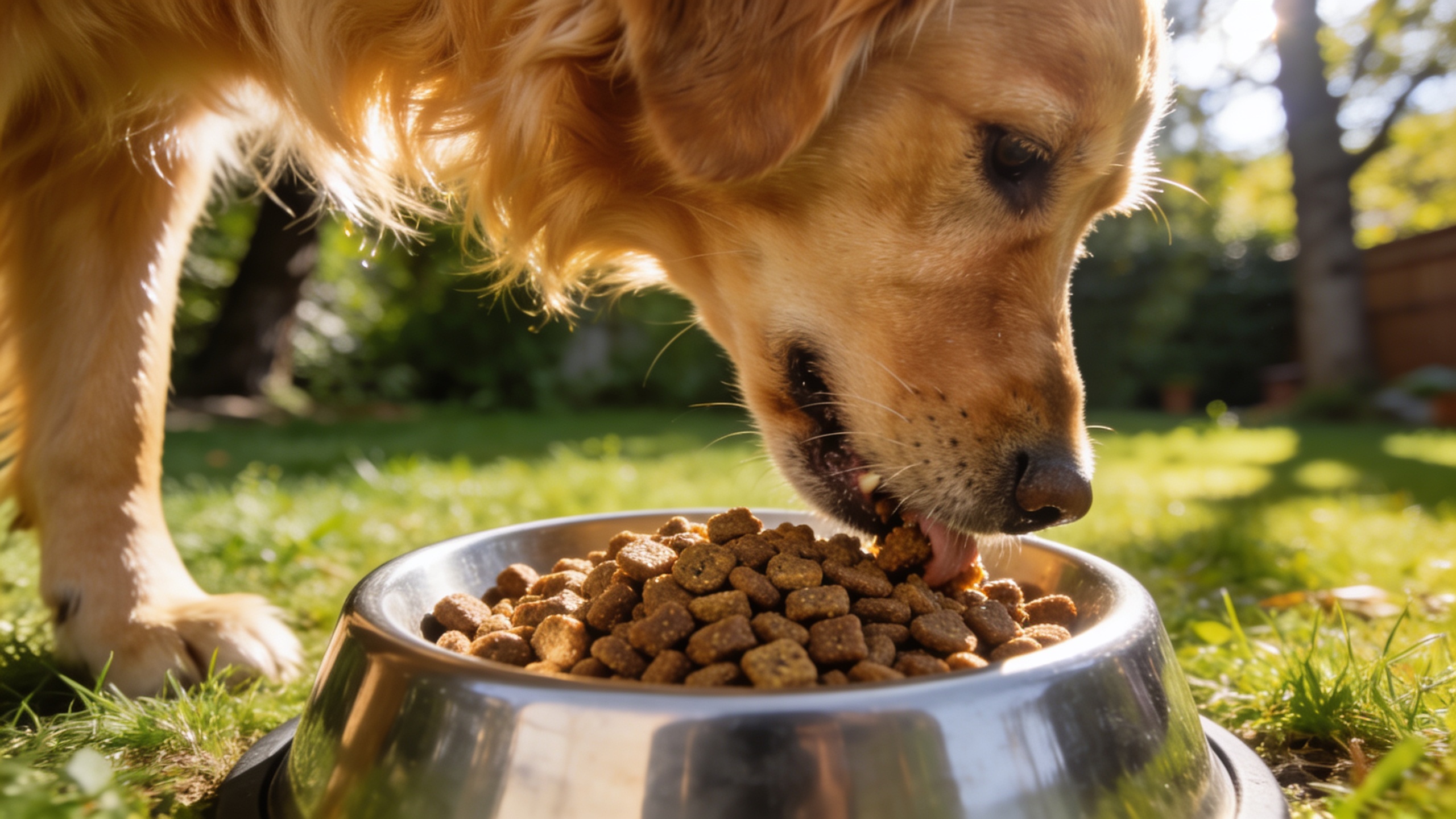
When comparing organic and conventional diets, the first distinction is not nutrient content but agricultural input and ingredient sourcing. Conventional formulas may contain crops produced with synthetic pesticides, herbicides, desiccants, and higher-risk storage practices, while organic formulas restrict many of those inputs and require tighter documentation of origin. That difference can matter in dogs with chronic inflammatory patterns because repeated low-dose exposure to irritant compounds may lower the threshold for gastrointestinal hyperreactivity, pruritus, or nonspecific malaise. It does not, however, prove that a conventional diet is harmful or that an organic one is automatically safer; the actual risk depends on the specific protein, fat, carbohydrate, and processing method used.
From a physiological standpoint, the dog’s small intestine is more concerned with peptide size, lipid oxidation, starch gelatinization, and mineral balance than with the marketing category of the food. A conventional diet made from highly digestible animal ingredients and properly stabilized fats can outperform an organic diet built on overprocessed plant fractions. Conversely, an organic recipe that relies on poorly defined meals, weak amino acid profiles, or inadequate calcium and trace mineral control may produce dull coat, poor muscle maintenance, or loose stools despite its label. The dog’s response is dictated by the interaction between the formulation and the individual digestive capacity, including pancreatic enzyme output, bile flow, gastric emptying, and microbiome resilience.
Breed heritage changes the comparison. Nordic spitz breeds, sight hounds, and many terriers often maintain lean body mass on moderate-calorie, animal-forward diets and may show immediate coat and stool changes when the fat source is unstable. Retrievers, herding breeds, and giant breeds, which were selected for sustained work and rapid growth, are less tolerant of imbalanced calcium, excess calories, or low biological value protein; in these dogs, an organic label is irrelevant if the formulation is not growth-appropriate. Flat-faced breeds with limited eating efficiency may benefit more from palatable, highly digestible conventional formulas than from an organic food that’s theoretically cleaner but practically less consumable.
Behaviorally, dogs under chronic arousal often reveal food quality issues through variable appetite, rapid eating followed by burping or regurgitation, stool urgency after meals, or persistent scavenging because the diet is not meeting satiety needs. A more stable ingredient profile can reduce postprandial discomfort in some dogs, which lowers irritability and food guarding pressure. But if anxiety, pain, or inconsistent feeding routine drives the behavior, diet category alone will not correct it. Dogs with food-associated distress often show subtle signals first: lip licking, turning away from the bowl, grass eating, repeated swallowing, or restlessness after meals.
The most clinically useful comparison is based on measurable outcomes: fecal score, body weight trend, muscle condition, skin barrier status, coat oiliness, flatulence, and frequency of vomiting or ear inflammation. If an organic diet produces fewer inflammatory signs, the benefit likely comes from ingredient simplicity, reduced residue exposure, or better fat handling rather than from “organic” as an abstract virtue. If a conventional diet performs better, that usually reflects superior formulation design, stronger quality control, or better suitability for the dog’s metabolic demands. In practice, the safer choice is the food that delivers stable digestion, appropriate nutrient density, and predictable tolerance in the individual dog, regardless of label language.
Related Posts
Puppy Pads with Pheromones

Coping with Canine Diabetes – Managing Blood Sugar Levels