Dealing with Canine Separation Anxiety – Strategies for Success
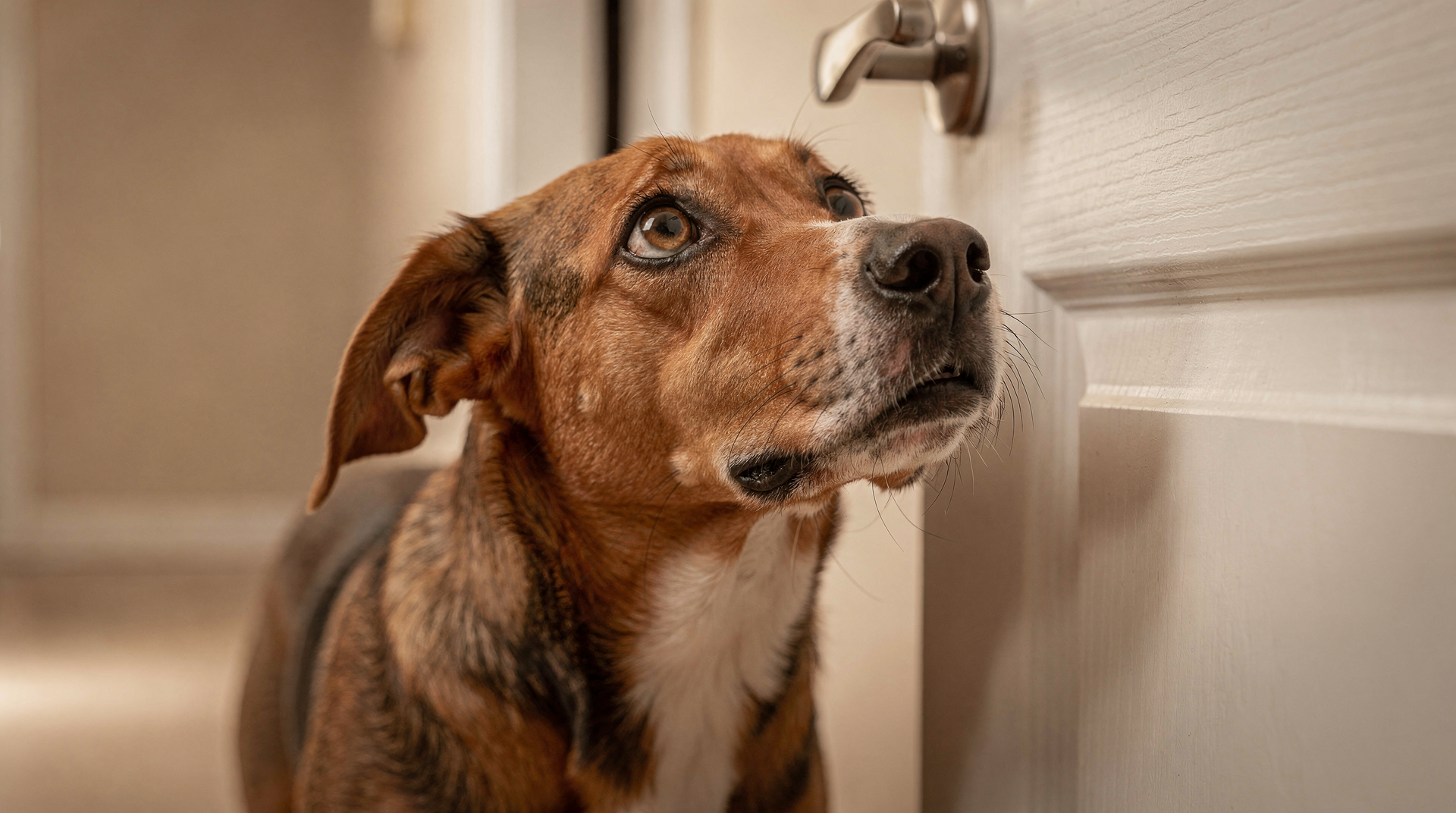
Canine separation anxiety is not a defiance problem; it is a panic disorder triggered by social isolation or the anticipation of it. The dog’s attachment system becomes hypersensitized, so the absence of a specific person, or cues predicting departure, activates a stress cascade involving sympathetic arousal and elevated cortisol. That’s why many dogs begin distress behaviors before the owner is even out of sight: keys, shoes, a shower, or a routine phone call can become conditioned predictors of abandonment.
The disorder is most common in dogs with low frustration tolerance, poor coping skills, or an unusually strong dependency on one attachment figure. Breed tendencies matter because selection history shapes reactivity and social focus. Many toy breeds, velcro-bred companion dogs, and some herding or guardian lines may show intense proximity-seeking because humans were directly selected as the functional center of their environment. In contrast, highly independent breeds may still develop separation-related distress, but the expression can be more subtle, such as shutdown, escape attempts, or compulsive pacing rather than vocal panic.
Early-life factors strongly influence risk. Dogs removed too early from littermates, underexposed to novelty during the socialization window, or raised with constant human contact can fail to develop tolerable independence. Rescue dogs with repeated rehoming, shelter confinement, or inconsistent caregiving often learn that social separation predicts something aversive. A dog that has recently experienced illness, pain, household disruption, boarding, or the loss of a bonded animal may develop or worsen symptoms because stress lowers behavioral flexibility and increases vigilance.
Underlying medical conditions can mimic or amplify separation anxiety. Noise sensitivity, cognitive decline, urinary urgency, gastrointestinal disease, orthopedic pain, and endocrine disorders can make confinement and solitude more stressful or produce elimination and restlessness that looks behavioral. In older dogs, disorientation and reduced inhibitory control can turn mild attachment into severe distress. A dog this is calm when attended but panics only when alone may still have a medical driver contributing to the threshold for distress.

HONEY CARE All-Absorb A26 Male Dog Wrap, 50 Count, Small
$17.99 (as of September 29, 2026 09:00 GMT +00:00 - More infoProduct prices and availability are accurate as of the date/time indicated and are subject to change. Any price and availability information displayed on [relevant Amazon Site(s), as applicable] at the time of purchase will apply to the purchase of this product.)Nutrition does not cause separation anxiety, but it can modulate arousal and resilience. Irregular feeding, inadequate caloric intake in growing dogs, or diets that aggravate gastrointestinal discomfort can worsen stress tolerance. Dogs with chronic hunger, reflux, or inflammatory bowel disease often show agitation that complicates behavior work. Stable routines, predictable mealtimes, and avoidance of stomach upset help reduce background stress load, which matters because anxious dogs have less reserve for learning.
The core welfare issue is not the owner’s departure itself; it is the dog’s inability to downregulate once aroused. Once panic begins, the animal is no longer “testing limits.” It is responding to perceived threat with behaviors that may include escape attempts, destruction at exits, hypersalivation, vocalization, house soiling, refusal to eat, or self-directed repetitive activity. The more often the dog rehearses this state, the more strongly departure cues become conditioned triggers, which is why unmanaged cases tend to intensify rather than fade.
The most reliable early signs are subtle arousal shifts that appear before full panic. Dogs may shadow the owner more tightly, become restless during predeparture cues, stop lying in typical resting spots, or fail to settle after the person moves between rooms. Other warning signs include sudden yawning, lip licking, panting when the house is cool, dilated pupils, pinned ears, trembling, or a rigid posture. These are not “guilt” signals; they’re markers of autonomic activation. When the dog cannot disengage from the owner long enough to rest, the dog is already above threshold even if no destruction has occurred.
Watch the sequence, not just the outcome. Dogs with separation anxiety often escalate in a predictable order: following, alarm when the owner collects keys or changes shoes, frantic attention at the door, immediate vocalization or pacing after departure, then escape attempts, chewing, elimination, or drooling. The interval between departure and behavior is diagnostically useful. Destruction that occurs only near exits, windows, or doorframes usually reflects frustration-plus-panic, not random mischief. Soiling can result from stress-induced loss of bladder control, not inadequate housetraining, especially when it happens soon after the owner leaves and the dog is otherwise house trained.
Context-specific triggers matter because the dog is learning associations, not just reacting to solitude. Repeated departures at the same time, the same jacket, brief lock-up drills, vehicle sounds, shoe changes, and post-shower grooming all become predictors if they reliably precede isolation. Some dogs show “micro-separation” distress when a bonded person is behind a closed bathroom door, when the dog is confined to a different room, or when visual contact is lost through a baby gate. This distinction is clinically useful: a dog that cannot tolerate distance within the home may need treatment that starts with presence-distance desensitization before any true alone-time work.
Owner behavior can unintentionally sharpen triggers. Long, dramatic exits, repeated return-checks, reprimands after destruction, or rushing to soothe the dog during anticipatory pacing can reinforce the emotional salience of departure. The dog learns that departure cues predict a charged event, and the household itself becomes the trigger set. For highly social breeds such as Labrador Retrievers, Vizslas, German Shepherd Dogs from close-contact lines, and many companion breeds, the problem is often intensified by a history of reinforced proximity and low tolerance for frustration, but any breed can develop conditioned panic if the pattern is rehearsed often enough.
Video observation is the most accurate way to identify the true onset point. Live owner presence suppresses some signs, while camera footage reveals whether the dog remains calm, paces for minutes, or collapses into immediate distress after departure. Track respiration rate, movement patterns, vocalization timing, interactions with doors or windows, and whether the dog can eat when alone. A dog that refuses food, scans exits, or shows repetitive circling is displaying high arousal; a dog that sleeps, sniffs, and changes position normally is unlikely to have clinically significant separation distress.
Any dog that injures teeth, nails, or limbs during escape attempts, salivates heavily, or shows self-trauma should be treated as a safety case, not a training challenge.
Effective treatment depends on changing the dog’s emotional response to alone-time, not suppressing symptoms. Behavior modification must begin below threshold, meaning the dog is exposed only to durations and departure cues that do not trigger panic. That is systematic desensitization paired with counterconditioning: the departure predictor appears at a low intensity, something of high value happens, and the cue is removed before arousal rises. If the dog is already panting, vocalizing, or scanning for exit routes, learning is compromised because panic blocks new associations.
The most efficient protocol uses an individualized departure hierarchy built from camera footage. Start with the smallest reproducible trigger, which may be picking up keys, opening the door, or stepping outside for one second. Reinforce calm at each step, then increase duration in tiny increments. The dog must succeed repeatedly at one level before advancing. Large jumps, “flooding,” or testing progress with real absences too early typically produce relapse, sensitization, and deeper mistrust of cues.
Management is not optional; it prevents rehearsal of the panic loop. Until the dog can tolerate alone-time reliably, avoid leaving the dog in situations that trigger escalation. Use pet sitters, daycare only if the dog truly relaxes there, workplace accompaniment, or staggered schedules when possible. Crating is contraindicated for many affected dogs because confinement intensifies helplessness and creates additional barriers to escape, which can increase injury risk. If confinement is used for safety, it must be empirically verified that the dog remains calm inside it, not simply quiet from exhaustion.
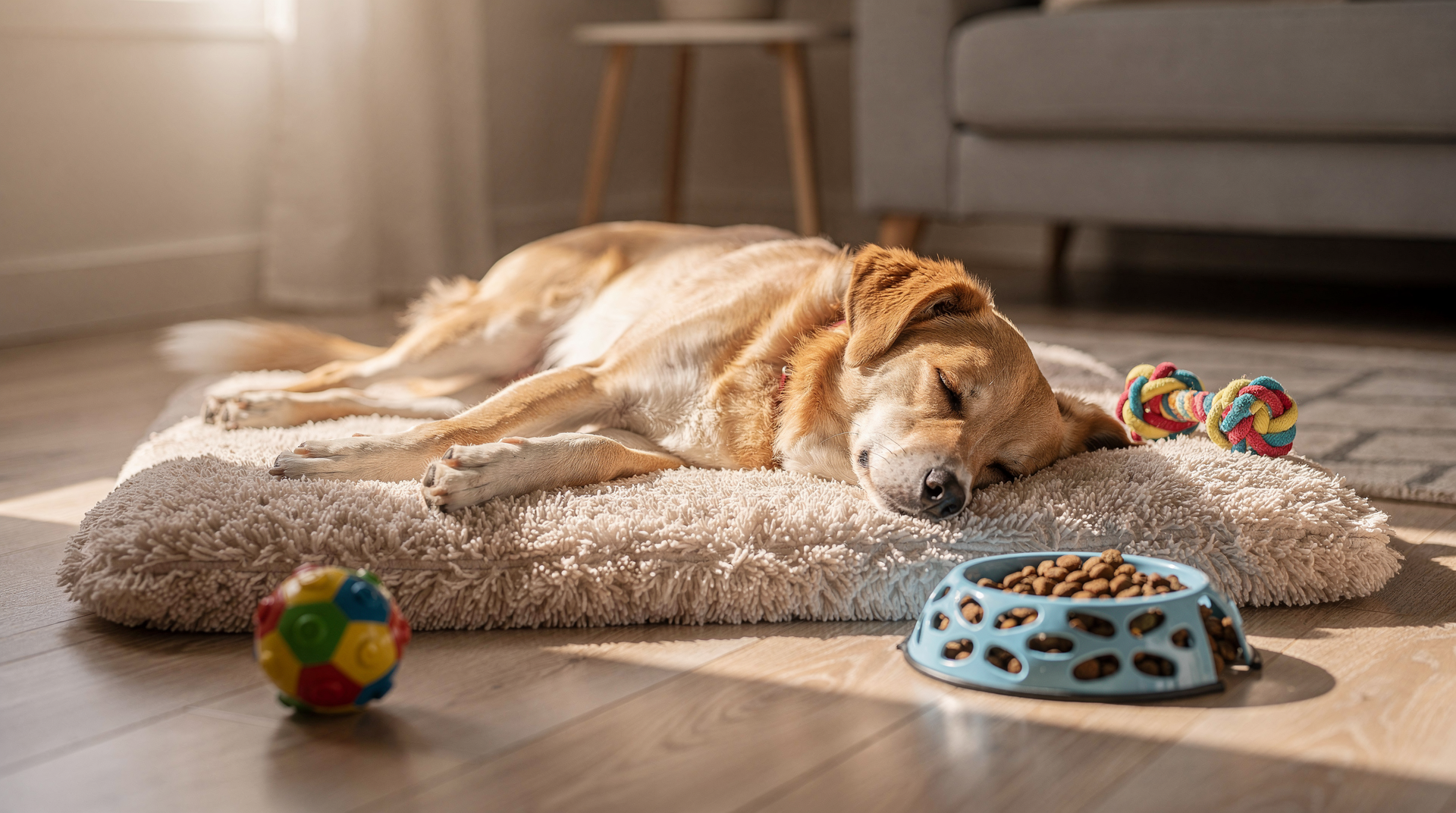
Environmental enrichment should lower baseline arousal without becoming a crutch for panic. Food puzzles, scent-based search, lickable substrates, and chew items can support calm, but they do not treat the attachment panic itself. Use them only when the dog can consume them in a subthreshold state; a dog that ignores food when alone is too distressed to benefit. Exercise should be timed to reduce restless energy, but overarousal from frantic fetch or social stimulation can worsen the physiological load before departures.
Medication can be appropriate when panic is severe, chronic, or resistant to behavior modification alone. Anxiolytic drugs are used to reduce the intensity of the stress response so learning can occur; they are not shortcuts. Choice of agent depends on the pattern of anxiety, comorbidities, and onset needs, and any medication plan must be monitored for sedation, paradoxical agitation, gastrointestinal effects, and interactions with existing disease. In older dogs or those with liver, kidney, cardiac, or seizure disorders, drug selection requires additional caution.
Prevention hinges on building independence before anxiety crystallizes. Puppies should experience brief, low-stakes separations paired with calm, predictable returns, not constant physical access. Teach resting away from the handler, mat relaxation, and short periods of separate confinement that remain emotionally neutral. Dogs from high-attachment lines, rescue backgrounds, or recent upheaval benefit from early routine stability because repeated safe separations prevent the association that alone-time is dangerous.
Monitor progress by duration tolerated, not by whether the dog appears “less needy” in general. A dog may still follow the owner around the house yet remain capable of relaxed alone-time, and that distinction matters. Success is shown by stable body language, ability to eat, absence of scanning or vocalization, and recovery this is rapid rather than prolonged after departures. If the dog regresses after schedule changes, illness, boarding, visitors, or owner travel, restart at an easier level instead of pushing through the setback.
Related Posts
The Art of Canine Bowen Therapy – Holistic Healing

Borzoi

Doc Itchy Stink Stopper Dog Odor Eliminator
Essentials
 Comotech 3PCS Dog Bath Brush | Dog Shampoo brush | Dog Scrubber for Bath | Dog/Grooming/Washing Brush Scrubber with Adjustable Ring Handle for Short & Long Haired Dogs/Cats (Blue Blue White)
 1Wild Duck Squeaky Dog Toy
 Buenkee Dog Grooming Vacuum Kit
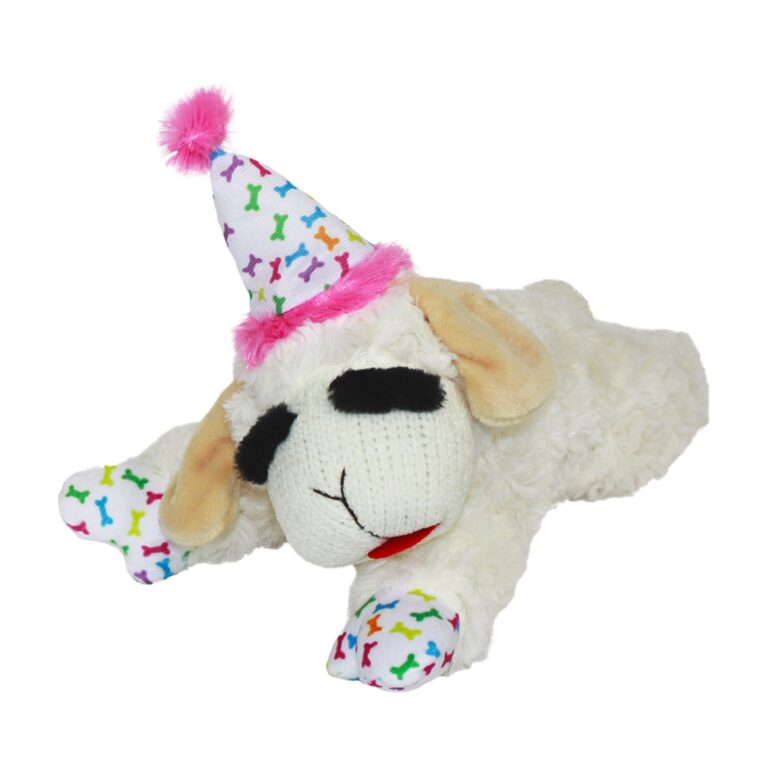 Multipet Lamb Chop Dog Plush Toy
 ukeetap Extra Thick Silicone Mat