The Connection Between Diet and Coat Health
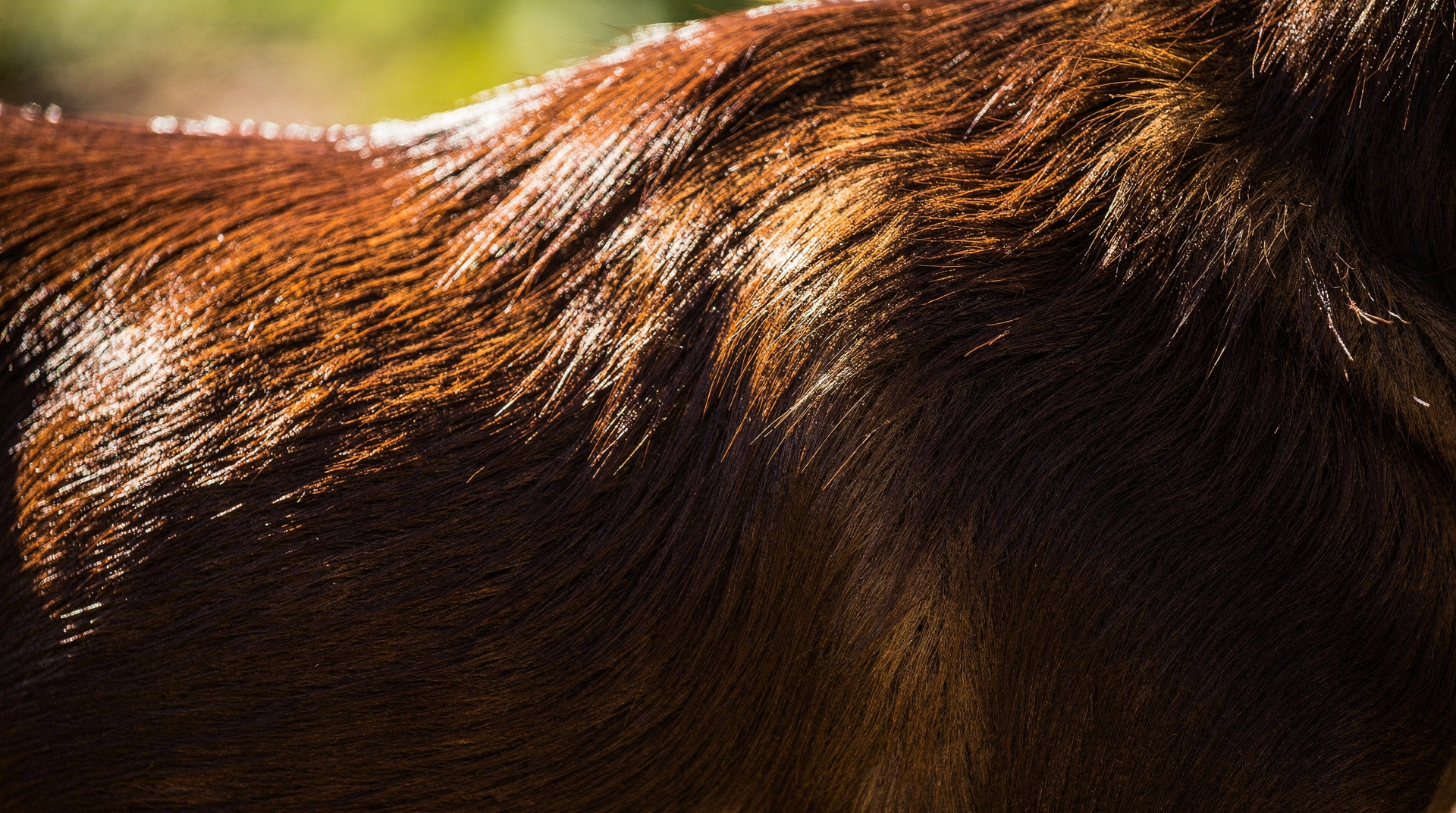
The hair coat is a metabolically active tissue with continuous turnover, so its condition reflects both amino acid supply for keratin synthesis and the quality of dietary fat available for the skin barrier. Follicles are among the body’s fastest dividing cells; when protein intake is marginal, the first visible effect is often dullness, slower regrowth, increased shedding, and finer, more brittle hair rather than immediate weight loss. Coat quality depends less on “more protein” than on enough high-biological-value protein with a complete essential amino acid profile, especially methionine, cystine, lysine, and tryptophan, because these drive keratin cross-linking and follicle cycling.
Dietary fat affects the coat in two distinct ways: it supplies essential fatty acids for epidermal lipid structure and it improves absorption of fat-soluble nutrients. When fat intake is too low, the stratum corneum loses water more rapidly, sebaceous function becomes less effective, and the coat may feel dry, harsh, or powdery. Dogs cannot synthesize linoleic acid or alpha-linolenic acid, so these must come from food; deficiency most commonly appears as scaly skin, reduced hair sheen, delayed shedding, and increased surface irritability. A dog with chronic pruritus and poor coat quality may not be “allergic” in the simple sense; an inadequate fat profile can lower the skin’s barrier resilience and make minor environmental irritation feel much more intense.
Energy balance matters as much as nutrient composition. If calorie intake is insufficient, the body diverts amino acids and fat away from skin and hair maintenance toward essential organs, so even a technically complete diet can produce a poor coat when intake is too low. That is often seen in highly active dogs, anxious eaters, adolescents with rapid growth, lactating females, and dogs on restrictive weight-loss plans. Coat changes can lag behind dietary error by several weeks, which is why a recent dull coat often reflects a problem that began long before the owner noticed it.
Minerals and trace elements also shape coat integrity because they influence follicle enzyme systems and skin repair. Zinc deficiency can cause rough coat texture, scaling, and patchy hair loss, particularly in breeds with known absorption or use issues. Copper contributes to pigment formation and connective tissue stability, so chronic insufficiency may produce faded coat color and reduced hair strength. Excesses can be as harmful as deficiencies; imbalanced supplementation can antagonize absorption of other minerals and worsen dermatologic signs rather than improve them.
Minties Mint Dental Chews for Dogs, Medium Breeds 25-50 lbs, 40 Ct | Vet-recommended mint dental bone; scrubs teeth as dogs chew; fights plaque, tartar & bad breath; no soy/wheat/corn
$16.94 (as of September 29, 2026 09:00 GMT +00:00 - More infoProduct prices and availability are accurate as of the date/time indicated and are subject to change. Any price and availability information displayed on [relevant Amazon Site(s), as applicable] at the time of purchase will apply to the purchase of this product.)Breed heritage changes nutrient demand and coat response. Double-coated northern breeds, long-coated toy breeds, wiry-coated terriers, and heavy-shedding retrievers all have different follicle cycles, sebum distribution, and grooming mechanics. A short-haired breed may show nutritional deficiency mainly as reduced gloss, while a heavily coated breed may present with texture change, matting tendency, and intensified seasonal shedding. In puppies, visible coat quality is shaped by growth rate and developmental needs; in seniors, reduced digestion and altered absorption can make a previously adequate ration insufficient for maintaining coat density and elasticity.
Fatty acid balance is more precise than total fat percentage. Linoleic acid supports the epidermal barrier by contributing to ceramides and intercellular lipids; when it is inadequate, the skin loses water, the coat becomes coarse, and seborrheic scaling appears before obvious inflammation. EPA and DHA, the long-chain omega-3 fatty acids found in marine oils, are not just “shine” nutrients; they modulate eicosanoid signaling, reducing the production of inflammatory mediators that amplify itch, redness, and follicular stress. In dogs with allergic skin disease, the goal is not to suppress all inflammation, but to lower the background level enough that the skin can maintain normal repair and barrier turnover.
The omega-6 to omega-3 ratio matters because excessive omega-6 without enough omega-3 can favor a more inflammatory skin environment, yet very high omega-3 intake can reduce palatability and, in some dogs, loosen stools or interfere with normal platelet function at extreme doses. Working dogs, field dogs, and breeds with dense undercoats often benefit from carefully dosed marine omega-3 supplementation because repeated environmental exposure, frequent bathing, and high metabolic turnover increase barrier demands. Dogs with pancreatitis history, fat intolerance, or certain intestinal disorders need individualized fat selection, since the wrong formulation can worsen gastrointestinal instability and indirectly degrade coat quality.
Vitamins A, E, and the B-complex influence coat health through different pathways. Vitamin A regulates keratinization and epithelial differentiation; deficiency produces dry, scaly skin and brittle hair, but excess can also cause rough coat, desquamation, and orthopedic stress in growing dogs. Vitamin E functions as a lipid-phase antioxidant, protecting cell membranes from oxidative damage; diets low in vitamin E, or rich in unstable fats, can leave the skin barrier vulnerable to peroxidation. Biotin, riboflavin, niacin, and pantothenic acid support follicular metabolism, but true deficiency is uncommon in complete diets; the practical issue is usually malabsorption, chronic enteropathy, or prolonged feeding of poorly balanced home-prepared rations.
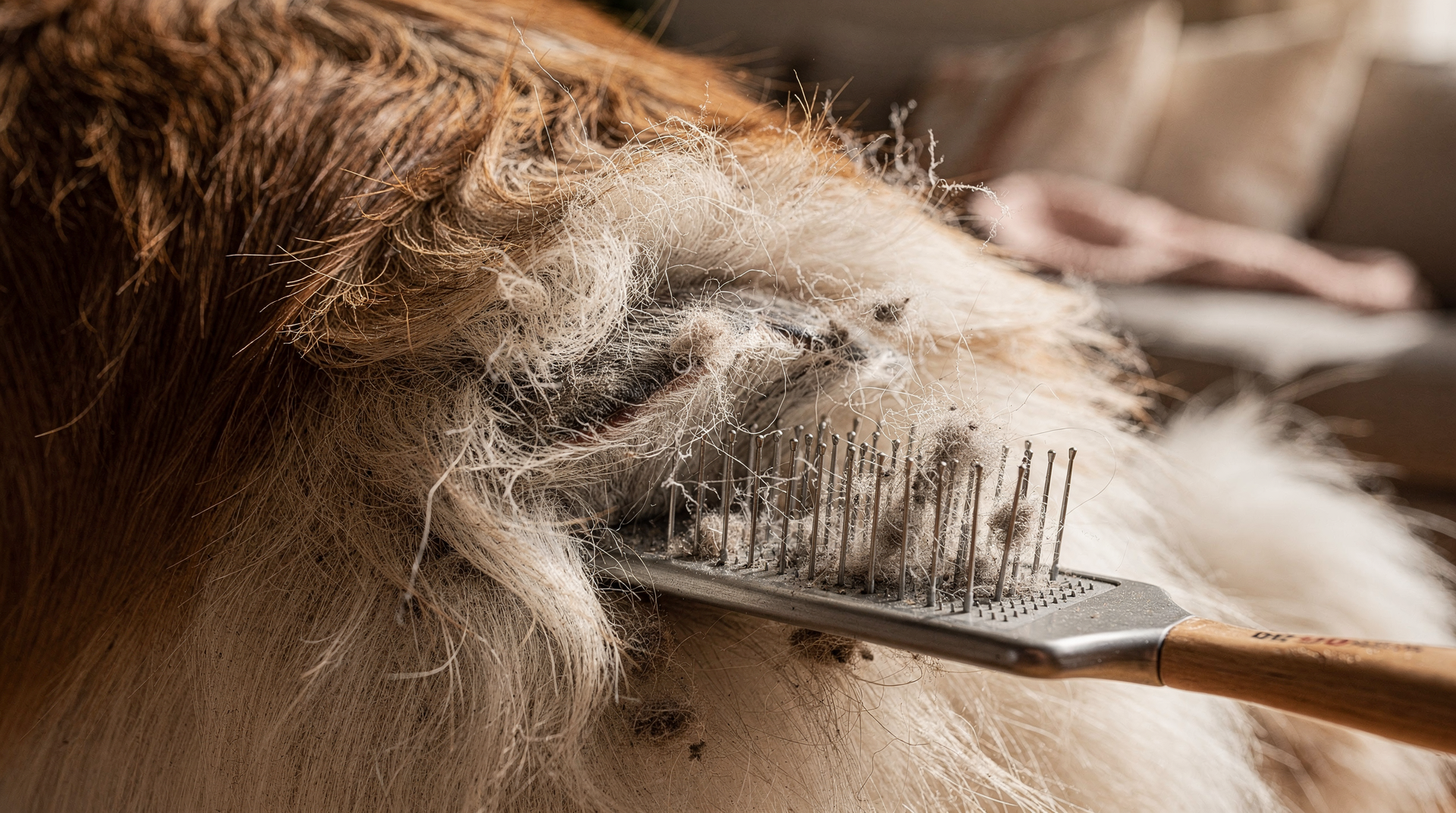
Observable coat clues often reveal the nutrient pattern before blood tests do: a greasy yet brittle coat suggests barrier dysfunction with altered sebaceous output; a dry, brittle coat with excessive dander points more toward essential fatty acid shortage or low total energy intake; faded pigment with weak hair shafts raises suspicion for copper, tyrosine, or chronic undernutrition. Dogs that scratch less but lick, chew, or rub specific areas may be showing low-grade discomfort from barrier failure rather than primary behavior problems. In breeds predisposed to zinc-responsive dermatosis, diets relying heavily on plant ingredients or poorly absorbed mineral forms can expose a latent problem that was silent on a richer ration.
Supplementation only helps when it corrects a specific deficit or imbalance. Uncritical addition of oils can dilute the diet, displace protein, and worsen stool quality; unbalanced vitamin use can create toxicity long before the coat improves. The most useful approach is to match the nutrient profile to the dog’s life stage, coat type, reproductive status, workload, and gastrointestinal function, then watch for early changes in tactile coat texture, dandruff burden, shedding pattern, and the speed at which the coat recovers after bathing or seasonal coat blows.
Meal pattern and feeding behavior affect the coat as much as ingredient list. Dogs that inhale meals in a stressed, hyperaroused state often swallow poorly chewed food, which increases gastrointestinal load and can reduce digestion efficiency; the result is not “bad skin” in isolation but poorer amino acid and fat availability at the follicle level. Restless eating, guarding, or scavenging between meals can indicate chronic underfeeding, inconsistent feeding times, or learned food insecurity, all of which elevate cortisol and can shift nutrients away from hair growth toward immediate survival needs. A calm, regular feeding routine supports autonomic stability, which matters because chronic sympathetic activation can aggravate pruritus, sebaceous imbalance, and self-trauma.
Highly processed diets are not automatically inferior, but heat processing, long storage, and repeated fat exposure can oxidize vulnerable lipids, especially if the food is high in polyunsaturated fats and low in antioxidant protection. Oxidized fats are less useful to the skin barrier and may increase inflammatory load. This is one reason some dogs do better on fresh, well-stored rations with clearly labeled fat sources than on large bags kept open for weeks in warm, bright environments. Rancid or stale fats may also reduce palatability, causing partial meal refusal; chronic underconsumption is a common hidden cause of poor coat density in otherwise healthy dogs.
Dietary inconsistency destabilizes coat quality because the hair cycle responds slowly to change. Frequent switching between formulas, intermittent treats that exceed 10 to 20 percent of daily calories, and erratic intake of table scraps create fluctuating amino acid and fatty acid delivery. The coat then reflects a mixed picture: some follicles receive adequate substrate while others enter a weaker anagen phase, producing uneven texture, broken hairs, and prolonged seasonal shedding. Dogs with sensitive intestines are especially vulnerable, because inconsistent feeding can trigger low-grade enteropathy that reduces absorption long before vomiting or diarrhea become obvious.
Carbohydrate quality matters indirectly. Excessive low-fiber, highly palatable diets can drive overconsumption and weight gain, but severe restriction or poorly formulated “grain-free” patterns may reduce intestinal fermentable substrate and impair microbiome stability in some dogs. A disturbed gut ecosystem can influence skin through the gut-skin axis by altering bile acid metabolism, immune signaling, and nutrient synthesis. Dogs with recurring soft stool, gas, or mucus in the stool often have a coat that looks worse than expected for the amount they eat because nutrient uptake is simply inefficient.
Feeding management should also reflect breed function and coat type. Arctic breeds, spaniels, retrievers, and herding dogs with thick undercoats often need a diet that preserves lean mass and barrier lipids through heavy seasonal shedding; toy and sighthound breeds may show coat fragility quickly if caloric density is too low for their small stomach capacity. Puppies in rapid growth should not be pushed to excessive body condition in the name of a “shiny coat,” because overfeeding can accelerate growth unnaturally and compromise musculoskeletal development while temporarily masking a poor-quality diet. In intact breeding females, lactation can drain protein, fat, calcium, and trace elements so quickly that the coat becomes dry and sparse before other outward signs appear.
Watch for these diet-linked coat patterns:
- often low fat quality, inadequate energy intake, or poor digestibility.
- commonly insufficient linoleic acid, dehydration, or chronic bathing without barrier support.
- frequently amino acid shortage, malabsorption, or prolonged calorie deficit.
- can reflect copper imbalance, chronic undernutrition, or reduced tyrosine availability.
- may indicate poor fatty acid balance, seborrheic tendency, or underlying endocrine disease that the diet is failing to buffer.
Any diet change should be assessed over the time it takes follicles to cycle, not by next-day gloss. A meaningful improvement is usually first seen in reduced dandruff, more even texture, less broken hair, and better coat resilience after brushing or bathing. If the coat worsens despite a complete ration, the problem is often not “bad food” alone but a combination of intake volume, digestibility, ingredient oxidation, gastrointestinal disease, stress physiology, and the dog’s inherited coat architecture.
Related Posts
The Art of Canine Bowen Therapy – Holistic Healing
Borzoi