The Role of Fiber in Your Dog’s Diet

Fiber benefits dogs primarily through its effect on gastrointestinal physiology, not by supplying calories. Soluble fiber forms a fermentable substrate for colonic bacteria, producing short-chain fatty acids such as butyrate, acetate, and propionate. Butyrate is the preferred fuel for colonocytes, helping maintain mucosal integrity, tighten the intestinal barrier, and reduce low-grade inflammation. Insoluble fiber adds bulk and speeds intestinal transit, which can be useful when stool retention, mild constipation, or delayed colonic motility is part of the problem.
In dogs with soft stool, diarrhea, or large-volume defecation, the right fiber blend can improve stool quality by absorbing water, increasing fecal viscosity, and normalizing transit time. Fermentable fibers such as beet pulp and psyllium can also bind excess water without overly drying the stool, which is why they are commonly used in diets formulated for sensitive digestion. In contrast, excessive insoluble fiber can worsen loose stool in some dogs by accelerating passage before nutrients and water are adequately absorbed.
Fiber also modulates postprandial glucose absorption. Viscous soluble fibers slow gastric emptying and blunt rapid glucose spikes, which may help dogs with insulin resistance, obesity, or diabetes mellitus when used as part of a controlled diet. This effect is not trivial in breeds predisposed to weight gain or endocrine disease, including Labrador Retrievers, Beagles, and neutered middle-aged dogs with reduced activity.
Satiety is another major benefit. Fiber increases meal volume without proportionally increasing energy density, promoting stretch receptor activation in the stomach and earlier meal termination. This is particularly useful in dogs that act hungry despite adequate caloric intake, a pattern often seen in food-motivated breeds selected for persistence and scavenging tendencies, such as Labradors and Golden Retrievers. Higher satiety can reduce begging, counter-surfing, and rapid food-seeking behaviors that are reinforced when dogs receive frequent table scraps or treats.
Now retrieving an image set.
C.E.T. Enzymatic Toothpaste for Dogs and Cats, Poultry, 2.5oz | Plaque and tartar control for fresh breath, pet dental care toothpaste, Dual enzyme system, poultry flavored toothpaste
$11.31 (as of September 19, 2026 04:12 GMT +00:00 - More infoProduct prices and availability are accurate as of the date/time indicated and are subject to change. Any price and availability information displayed on [relevant Amazon Site(s), as applicable] at the time of purchase will apply to the purchase of this product.)For dogs prone to anal sac impaction or inconsistent stool formation, firmer, better-structured feces can improve natural anal sac emptying during defecation. Fiber may also help some dogs with recurrent large-bowel signs, including straining, mucus in stool, and frequent small-volume defecation, by improving stool cohesion and reducing colonic irritation.
Fiber influences the gut microbiome by favoring bacterial populations that metabolize plant substrates rather than protein putrefaction products. This can reduce production of compounds associated with malodor and intestinal irritation, especially in dogs fed highly digestible, low-residue diets. In carefully balanced amounts, fiber can therefore improve fecal odor, stool consistency, and intestinal health without the need for pharmacologic intervention.
Fiber is most useful when matched to the dog’s problem: soluble, fermentable fiber for colonic support and stool normalization; more insoluble fiber when added bulk and transit support are needed.
There are also breed- and age-related considerations. Senior dogs may benefit because motility slows with age and microbiome diversity often declines, increasing the odds of constipation or irregular stools. Giant breeds and dogs with reduced activity may need more attention to stool quality and gut motility, while brachycephalic dogs that gulp food and swallow more air can show more postprandial discomfort if diets are poorly balanced. Fiber can help, but only when hydration, protein quality, and overall digestibility remain appropriate.
The fiber in a dog’s bowl comes from very different plant structures, and those differences determine how the gut will respond. Soluble fibers such as psyllium, beet pulp, pectin, inulin, and chicory root dissolve or swell in water, forming a gel that slows digestion, helps stabilize stool moisture, and feeds colonic bacteria. Insoluble fibers such as cellulose, wheat bran, oat hulls, and some vegetable skins resist fermentation more strongly, so they mainly increase fecal bulk and speed passage through the colon. Mixed-fiber ingredients are often more clinically useful than single-source fiber because one fraction improves stool form while the other supports motility.
Commercial diets frequently use beet pulp because it’s moderately fermentable and typically well tolerated, producing predictable stool quality without excessive gas. Psyllium is especially useful when the goal is water binding and improved stool cohesion, particularly in dogs with intermittent loose stool, colitis-like signs, or anal sac issues related to soft feces. Cellulose is often added when a diet needs bulk with minimal fermentation, which can help overweight dogs feel fuller without substantially raising metabolizable energy. Pumpkin and other squash are popular household additions, but their fiber content is variable batch to batch, and their water content can make the apparent effect inconsistent unless the diet is carefully measured.
Many whole foods contribute fiber along with moisture, micronutrients, and phytochemicals, but they’re not interchangeable. Green beans, carrots, apples without seeds, berries, oats, brown rice, and sweet potato can all add fermentable or bulking substrate, yet each has a different starch and sugar load that matters in dogs with obesity or diabetes mellitus. Legumes and pulses, including lentils, peas, chickpeas, and beans, supply both fiber and fermentable oligosaccharides; they may improve satiety but can also increase gas and loose stool in sensitive dogs if introduced too quickly. Coconut fiber, flaxseed, and chia provide viscous components, but the fat content of flax and chia must be considered in dogs with pancreatitis risk.
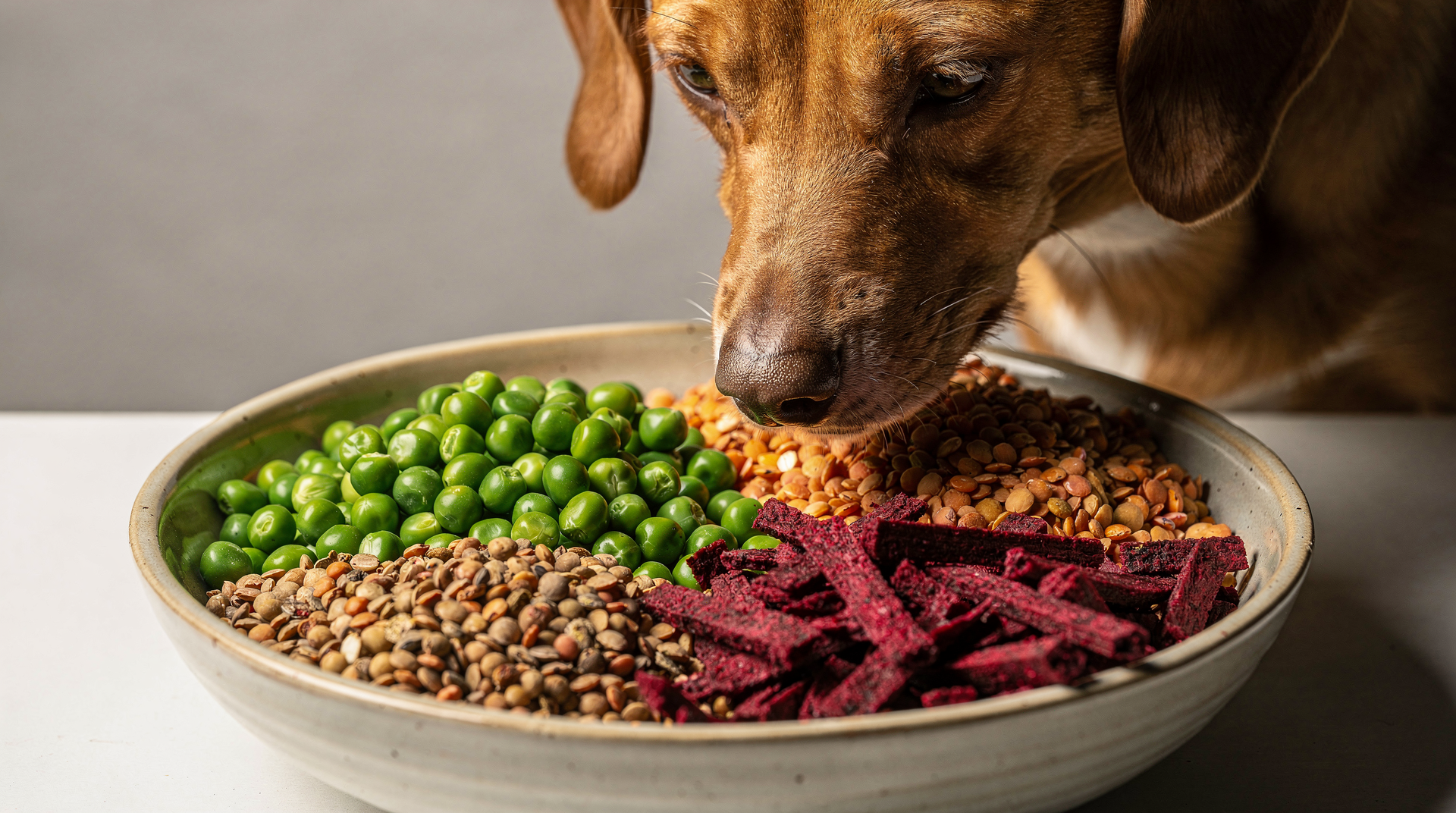
Fiber sources in grain-free diets deserve special scrutiny because “grain-free” does not mean low-fiber. Many such formulas rely on peas, lentils, chickpeas, tapioca, potato, or beet pulp to provide structure and carbohydrate replacement. In some dogs, a sudden change to a pulse-heavy diet can alter stool quality because the microbiome needs time to adapt to new substrates. Chronic loose stool after a formula switch is often not a “food allergy” problem; it may reflect excessive total fermentable carbohydrate, inadequate digestibility, or a poor match between fiber type and the dog’s colonic physiology.
Raw or homemade diets are where fiber imbalances happen most often. Meat-based homemade plans without intentional fiber may produce very small, dry stools and poor colonic motility, while overcorrecting with bran, vegetables, or fruit can reduce nutrient density or destabilize the ration. Dogs with exocrine pancreatic insufficiency, inflammatory bowel disease, or a history of pancreatitis may need fiber selected very deliberately, because the wrong source can worsen maldigestion, steatorrhea, or gas production. Fecal quality, appetite, abdominal comfort, and body condition should guide source selection more than marketing language on the label.
Practical clues that a fiber source is not fitting the dog include increased flatulence, excessive stool volume, mucus coating, urgent defecation, straining without productive stool, or alternating hard and soft stools after a diet change. Dogs that are highly food-driven, sedentary, or prone to weight gain often tolerate more viscous or mixed fiber better than very coarse, woody sources. Working dogs and athletic breeds may need a lower-residue formula during heavy training because too much bulk can increase fecal output and distract from performance.
Most dogs do best when fiber is assigned to a specific physiologic problem rather than added indiscriminately. In healthy adult dogs, total dietary fiber is commonly tolerated in a moderate range, but the clinically useful amount depends on stool quality, body condition, activity level, and the proportion of fermentable versus nonfermentable fiber in the diet. A dog with soft stool may improve on a modest increase in soluble fiber, while the same increase in a dog with already firm stools can produce excess gas, reduced digestibility, or smaller, harder feces. The right target is not a number on the label alone; it’s the stool pattern, appetite, and comfort response over time.
For dogs with obesity, mild constipation, or chronic hunger cues, veterinarians often use diets with higher total fiber because the added bulk lowers caloric density and prolongs gastric distension. In practice, the amount required may be enough to reduce voluntary intake by improving satiety, yet not so much that it dilutes protein, fat, and micronutrients. This balance matters in lean, athletic, or growing dogs, where excessive fiber can displace energy and amino acids needed for muscle maintenance, skeletomuscular development, and recovery. Puppies generally need less bulk and more nutrient density than adults, because their gastrointestinal capacity is smaller and their growth demands are higher.
The dog’s breed background also affects tolerance. Breeds with a history of opportunistic feeding and high food motivation may appear to need “more fiber” simply because they benefit from fullness signals, not because their intestines require large quantities. Large and giant breeds, especially those with slower transit and reduced activity, may respond well to moderate increases if stools are soft or infrequent. Conversely, breeds selected for endurance, speed, or high-output work can become sluggish or produce excessive fecal volume when the diet is too bulky for their energy expenditure.
Increase fiber gradually over 7 to 10 days, because the microbiome adapts to new substrates and abrupt changes commonly cause gas, borborygmi, loose stool, or appetite fluctuation. The response should be judged by stool form, frequency, odor, urgency, and abdominal comfort, not by the dog’s willingness to eat more due to added palatability. If fiber is being used therapeutically, the effect should be visible within days to a couple of weeks; persistent straining, mucus, recurrent soft stool, or worsening constipation means the type or amount is wrong, or the underlying disorder needs investigation.
Warning signs that the fiber dose may be inappropriate include:
- markedly increased stool volume with poor body condition maintenance
- hard, dry feces or reduced defecation frequency
- excess flatulence, abdominal gurgling, or discomfort after meals
- urgent defecation, mucus, or straining with little output
- reduced food use in lean dogs or performance decline in working dogs
Fiber should also be adjusted with concurrent disease in mind. Dogs with diabetes may benefit from higher soluble fiber if it improves postprandial glycemic control, but pancreatitis-prone dogs may not tolerate high-fat fiber carriers such as flax or chia. Dogs with inflammatory bowel disease, exocrine pancreatic insufficiency, or chronic large-bowel diarrhea may need a very specific fiber profile, because the wrong blend can aggravate fermentation or malabsorption. Water intake is part of the prescription: fiber without enough hydration can shift a manageable stool issue into constipation, especially in older dogs and those that eat dry kibble exclusively.
When the goal is precise management, the label should be read for both crude fiber and ingredient composition, because crude fiber underestimates total fermentable substrate and does not reveal whether the diet is mostly cellulose, psyllium, beet pulp, or pulse-derived fiber. The clinically relevant question is how that fiber behaves in the colon: does it bind water, feed bacteria, bulk stool, or simply dilute calories? That functional answer determines the amount a specific dog can use safely and effectively.
Related Posts
Certified Home Compostable Dog Poop Bags

The Link Between Diet and Canine Behavior