Australian Terrier
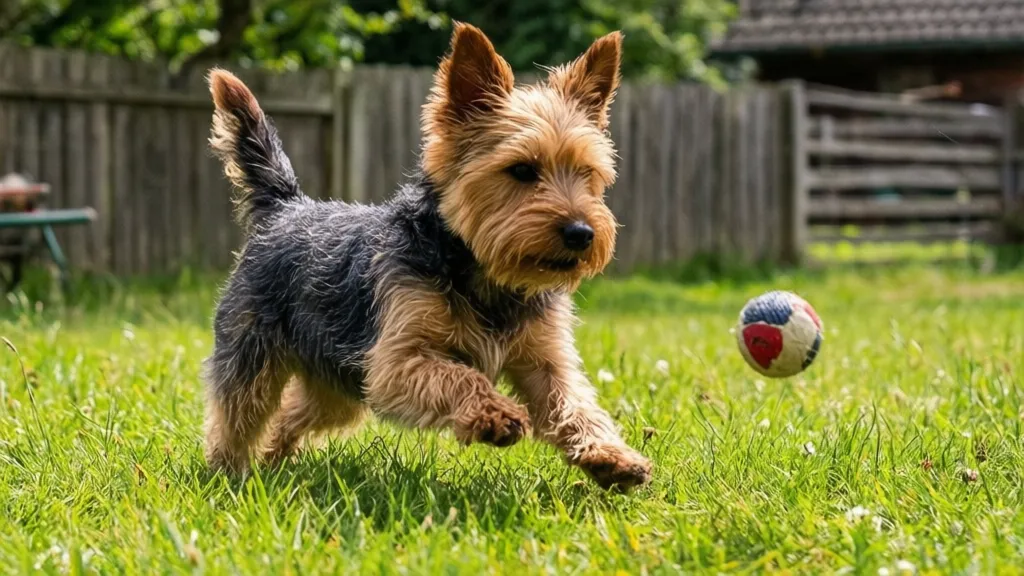
Within the tapestry of canine ancestry, the Australian Terrier emerges as a vivid thread woven with tenacity, resilience, and multifaceted purpose. Rooted in the rugged landscapes of Australia in the 19th century, this breed was meticulously crafted to contend with the harsh realities of early colonial life, serving as an agile and indefatigable worker on farms and homesteads. The confluence of various terrier breeds—including the Skye, Yorkshire, and Cairn Terriers—gave birth to the breed’s fundamental characteristics, each imbued with the unique virtues of its forebears, embodying a spirit forged in the crucible of survival and utility.
These dogs were instrumental in eradicating vermin, a role that harmonized the instinctive behaviors of their lineage with the practical demands of their environment. Their hunting prowess buttressed by a keen intellectual acuity became pivotal in developing a breed that could not only chase but also outsmart their quarry. This innate predilection for problem-solving reflects a cognitive complexity; they approach challenges with the nuanced understanding of their evolutionary imperative, often opting for a strategy that maximizes efficiency. Owners of the Australian Terrier will recognize this as they witness moments of astute observation when their companion methodically assesses an unseen threat or navigates obstacles with uncanny dexterity.
However, the historical context of the breed serves as a backdrop for understanding not merely their actions but the very essence of their temperament. Bred for their tenacity and earnest disposition, the Australian Terrier often exhibits a protective yet inquisitive demeanor—traits honed by a legacy of guarding livestock and property. This innate behavior is coupled with a deeply ingrained loyalty, presenting a complex dichotomy of independence and attachment. In domestic settings, this translates to a dog that thrives on structured companionship while simultaneously requiring ample stimulation to satiate their inquisitive minds.
In dissecting their physical form, one finds an architectural design that eloquently reflects their historical utility. Compact yet robust, these terriers possess a wiry coat—weather-resistant and coarse, analogous to the sun-baked earth and elements they had to endure. Their anatomy, while seemingly inconspicuous, is perfectly engineered for agility; their limbs are both powerful and swift, adapted for speed rather than brute strength. Consequently, this breed necessitates regular physical engagement—not merely for exercise but as a vital component to fulfill their hardwired impulse to chase and explore.

Now retrieving an image set.
Milk-Bone Soft & Chewy Dog Treats, Made with Real Beef & Filet Mignon, 25 Ounce Canister
$14.47 (as of July 25, 2026 16:25 GMT +00:00 - More infoProduct prices and availability are accurate as of the date/time indicated and are subject to change. Any price and availability information displayed on [relevant Amazon Site(s), as applicable] at the time of purchase will apply to the purchase of this product.)It’s thus critical for owners to recognize the lattice of these inherited traits and their implications for care. While the Australian Terrier boasts generally sound health, they do carry predispositions toward certain genetic disorders, notably patellar luxation and skin allergies that may emerge from their rugged heritage. Vigilance is paramount; signs such as difficulty in mobility or abnormal skin reactions must not be overlooked, as early detection can be crucial for intervention and management.

The Australian Terrier’s nuanced temperament reveals a tapestry of emotional intelligence colored by centuries of working alongside humans. Naturally alert and discerning, they embody the characteristics of a vigilant guardian yet maintain an animated spirit that invites companionship. Their inquisitiveness fuels a perpetual engagement with their environment, prompting them to investigate and interact with the world in ways that reflect a blend of attentiveness and audacity. This energetic disposition requires more than mere exercise; it demands mental challenge and imaginative play, as they thrive in situations that stimulate both their intellect and physicality.
In terms of behavior, the breed is marked by a remarkable ability to adapt their responses based on their social context. They possess an astute awareness, often able to discern the mood of household members and react accordingly. During moments of excitement, for instance, an Australian Terrier might trot proudly, tail erect, embracing their role as a lively participant in family dynamics. Conversely, faced with unfamiliar situations, they revert to their ancestral watchfulness, exhibiting a temperament that is both protective and investigative—a coping mechanism evolved to ensure the safety of their human companions.
Understanding this complex behavioral landscape requires owners to engage in proactive management of their surroundings. Socialization training in early life is paramount; exposure to various environments, sounds, people, and other animals should be taken seriously to prevent over-reactivity, a common trait among terrier breeds. Introducing the Australian Terrier to a plethora of experiences helps channel their innate curiosity more constructively. For instance, orchestrating playdates with well-mannered canine acquaintances can cultivate confidence, while outings to bustling parks help desensitize them to the unpredictability of urban life.
As with any breed, the Australian Terrier’s requirements extend into the realm of physical care—their wiry coats need diligent grooming, typically 2-3 times a week, to prevent matting. Regular sessions serve not only as a practical necessity but as an opportunity for bonding. Employing a slicker brush can efficiently remove loose hair and debris, while occasional hand-stripping mimics traditional grooming often used for show-quality coats. This laborious yet rewarding ritual harks back to the breed’s roots and deepens the partner-like relationship the dog and owner share.
Dietary considerations for the Australian Terrier pivot toward meeting their energetic needs. A high-quality, protein-rich diet is essential, reflecting their evolutionary demands for stamina and maintenance. Attention must also be paid to their caloric intake, especially as they age, to prevent obesity—a condition that can precipitate a slew of health issues including joint stress, metabolic dysfunction, or cardiovascular strain. Transitioning foods between life stages involves gradual shifts to ensure digestive acclimatization, highlighting the importance of choice tailored to their unique life phases.
Case studies abound where improper dietary choices have led to complications in health, showcasing the imperative for precision in their husbandry. One noted instance involved an Australian Terrier that developed pancreatitis due to a high-fat diet devoid of necessary fiber. Symptoms manifested as lethargy and reluctance to eat—an essential reminder that vigilance extends to the subtleties of their nutrition. Through meticulous observation of behaviors surrounding feeding and activity levels, owners can adjust dietary strategies proactively, maintaining their canine comrade’s health and vitality.
The planning for health management also encompasses keeping abreast of genetic health concerns prevalent in the breed, such as hip dysplasia and allergies, particularly dermatitis—a byproduct of their historical exposure to the elements. Monitoring for abnormal scratching, ear infections, or unusual licking behaviors may herald these conditions before they escalate. Using a proactive approach that incorporates annual veterinary evaluations, proper weight management, and a tailored exercise regimen not only empowers owners but also enriches the lives of these spirited companions.
Related Posts

Coping with Canine Allergies – A Comprehensive Guide

The Impact of Diet on a Dog’s Mental Health