The Art of Canine Communication – Understanding Body Language

The intricate tapestry of canine communication is woven through a sophisticated array of body language, where each posture and gesture serves as a nuanced note in a silent symphony of expression. Understanding this non-verbal lexicon facilitates a profound connection between human and dog, and it very important in the navigation of social interactions. To decode these signals, one must dive into the biophysiological underpinnings that govern canine behavior.
The construct of body language in dogs is deeply rooted in their evolutionary past, a vestige of their ancestral pack dynamics. For instance, a relaxed dog, demonstrated by a loose stance and a soft gaze, embodies contentment—a rich physiological state characterized by optimal cortisol levels and minimal stimulation of the sympathetic nervous system. In contrast, a dog exhibiting rigid posture, paired with direct eye contact and a stiff tail, signals a heightened state of arousal often associated with defensive behaviors. This rigidity can result from increased adrenaline, a biological response designed for survival. Understanding these signals allows caregivers to intervene proactively, mitigating potential conflicts.
Tail position serves as a significant indicator of a dog’s emotional landscape. A high, wagging tail may suggest excitement or happiness, akin to an uptick in dopamine levels, while a tucked tail reportedly signals fear or submission, a physiological clenching reflective of heightened parasympathetic activity. Moreover, should a tail remain perfectly still, it may signal a focused, intensity-driven state that, if coupled with a fixed gaze, can foreshadow an impending reaction. Each of these signals is a living representation of the dog’s internal state, influenced by environmental stimuli and individual temperament.
Facial expressions convey multitudes within this silent dialogue. A relaxed mouth, perhaps slightly open, indicates comfort, while tense lips or a closed mouth can signify stress, with the physiological markers reflecting increased cortisol and suppression of the parasympathetic system. The position of the ears adds another layer; forward-facing ears may indicate curiosity or engagement, whereas pinned-back ears can illustrate anxiety or submission. Recognizing these subtle shifts can act as early warning signs, allowing for interventions that promote emotional safety and stability.

Now retrieving an image set.
Good 'n' Fun Kabobs Long-Lasting Dog Treat, With Real Proteins, Beef Hide and Premium Chicken, Supports Dental Health, Mental Stimulation, 24 oz
$17.84 (as of July 26, 2026 16:27 GMT +00:00 - More infoProduct prices and availability are accurate as of the date/time indicated and are subject to change. Any price and availability information displayed on [relevant Amazon Site(s), as applicable] at the time of purchase will apply to the purchase of this product.)The importance of socialization cannot be overstated in fostering an environment where body language is openly communicated and understood. Through structured interactions and positive experiences, dogs learn to express their needs and responses more clearly, thereby eliminating many common misinterpretations that can lead to aggression or anxiety. A well-socialized dog, one that thrives in varied settings, may demonstrate adaptive strategies to manage stressors through the nuanced articulation of body language.
Observing and interpreting canine body language requires a delicate balance of attention and empathy; it necessitates an appreciation of the dog’s historical context and individuality. Those who immerse themselves in this world begin to appreciate how silent conversations unfold on a daily basis, reflecting an intricate interplay of emotion, biology, and social dynamics. The art lies not merely in the acknowledgment of these signs but in the synthesis of this knowledge into daily practice—creating a life where both human and canine flourish.
In the context of canine awareness, stress and anxiety emerge as significant disruptors, often manifesting through subtle and sometimes overt body language. To the keen observer, the dog’s body serves as an intricate canvas, painted with signs that often reflect an underlying physiological struggle. Understanding these expressions empowers caregivers to mitigate the psychological turbulence that can plague our canine companions.
Posturing is a fundamental aspect of canine communication, often serving as a harbinger of stress. When a dog exhibits a lowered body stance, with limbs drawn closely to the torso and an overall reluctance to engage, this can denote fear or anxiety. Such a position signals an activation of the HPA axis, leading to elevated cortisol levels that can disrupt not only emotional well-being but also physical health over time. In contrast, eyes wide with unease, accompanied by a tremor in the tail, hint at the dog’s precarious emotional state. It is vital for guardians to discern these subtle shifts, as prolonged stress can lead to chronic health issues, including metabolic syndrome or cardiovascular troubles, should the anxiety remain unaddressed.
Vocalizations can also serve as a clarion call for anxiety. A dog that barks persistently or emits a low growl may not merely be expressing displeasure; rather, it’s using a physiological response that echoes an internal struggle. The vocal cords, through which this communication is channeled, become an extension of their stress response system—a manifestation that correlates with an adrenaline spike, preparing the body for potential confrontation or retreat. Elevated respiratory rates accompany these vocalizations, creating a biofeedback loop that further exacerbates the cycle of anxiety if left unmonitored.
Beyond the overt signals, subtle signs often elude our notice. A dog that suddenly engages in excessive grooming or displays transient episodes of panting may be caught in a storm of anxiety. These behaviors, historically considered compulsive, frequently stem from frustration and a lack of effective coping mechanisms. The parasympathetic nervous system’s inability to rebalance against an overstimulated sympathetic response can result in self-soothing behaviors that become maladaptive over time. The intelligent observance of such rituals creates a dialogue rich with meaning, revealing a dog’s internal state and guiding significant intervention.
Environmental triggers also play a critical role in the canine experience of stress. New stimuli—be it loud noises, changes in household dynamics, or the introduction of unfamiliar animals—can incite profound anxiety in susceptible individuals. Here, the system’s response transcends mere behavioral responses and ventures into physiological territory, wherein a surge of stress hormones impacts heart rate variability and immune response. An elevated heart rate, combined with increased pacing or hyper-vigilant posturing, signals a dog grappling with its internal narrative, attempting to negotiate its safety in an ever-changing environment.
In clinical practice, the ability to recognize these symptoms and their systemic ramifications is paramount. Just as one might evaluate a fine piece of art, every nuance in a dog’s behavior can be interpreted through the lens of underlying emotional and physiological health. The articulation of stress allows for tailored interventions, whether through environmental modification, behavioral training, or physiological support, such as nutraceuticals, enhancing resilience and restoring equilibrium. Through a deeper understanding of these common signs, caregivers are equipped not only to forge a more effective bond but also to cultivate an enduring sanctuary for their beloved companions.
Central to the dynamic of canine communication is the profound interplay of attention and responsive interaction, which serves as the bedrock upon which bonds between dogs and their caregivers are constructed. The adeptness with which we perceive and respond to the rich tapestry of signals our dogs share can dramatically influence their emotional and behavioral health. In practice, this involves not merely observing but actively engaging in the elements of interaction that foster an environment of trust and understanding.
Consider the implications of eye contact, an important facet of canine communication. When a caregiver maintains soft, inviting eye contact, it creates an atmosphere akin to a shared emotional wavelength. The physiological basis for this lies in the release of oxytocin—often referred to as the ‘love hormone’—which surges in both species during prolonged eye contact, fortifying the emotional connection. Such intimate exchanges evoke an innate sense of safety and belonging within the dog, stimulating parasympathetic activation that lowers stress hormones and enhances overall vitality.
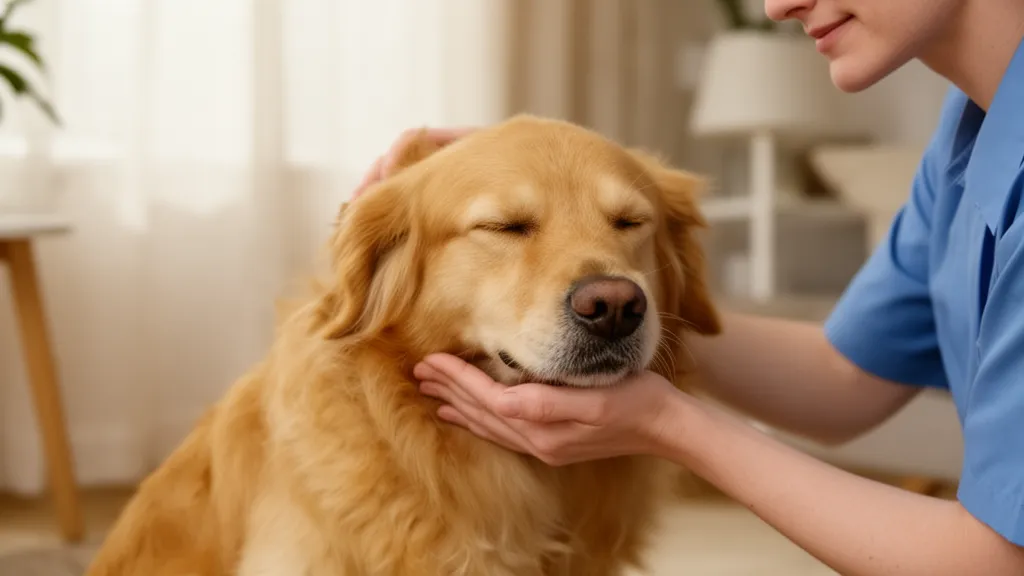
Physical touch further solidifies this connection. Contextualizing touch within the neurobiological framework reveals its multifunctional role in canine life. The act of petting, skilled and gentle, serves as a tangible conduit for communication. It fosters dopamine release, reinforcing comfort and satisfaction. Here, one must be attuned to the dog’s responses; a subtle lean into the touch or a relaxed body posture signifies consent to intimacy, while a sudden flinch or avoidance signifies a breach of their comfort zone. The nuance in response to touch delineates not only emotional state but also physical readiness—a powerful reminder of the interconnectedness of body and mind.
The art of play emerges as another cornerstone in building these bonds, offering a vehicle for mutual enjoyment and understanding. Engaging a dog in playful activity, particularly games that require problem-solving or interactive elements, serves to stimulate cognitive function through the enhancement of synaptic connections in the brain. Playtime innovatively lowers cortisol levels while increasing dopamine and serotonin, facilitating a robust psychological profile. Notably, a dog’s propensity for play—reflected in its eagerness to engage with toys or its human counterpart—reveals much about its emotional well-being and developmental stage, acting as both a mirror and a magnifier of its internal landscape.
Equally pivotal in this symbiotic relationship is the observance of routine. Dogs are creatures of habit, and a consistent pattern in daily life not only crafts a sense of security but also establishes a rhythmic cadence within their day-to-day existence. Predictability facilitates a deeper understanding of canine behavior, as shifts in routine can trigger anxiety or uncertainty. Here, an attentiveness to the dog’s reactions to changes in environment or schedule can unearth layers of communication that might otherwise go unnoticed. Such vigilance can serve as a proactive measure against the anxieties caused by unpredictability, allowing for timely adjustments that safeguard the dog’s well-being.
As caregivers strive to build a profound bond through effective communication, they must also embrace the intricacies of canine emotional expression. Incorporating elements of positive reinforcement during interactions not only instills desired behaviors but also amplifies the dog’s sense of agency. Emphasizing understanding over mere compliance reshapes the interactions toward a more collaborative approach, where the caregiver becomes a partner in the dog’s exploration of the world rather than a mere authority figure.
This vigilant observation and responsive engagement forge a resilient connection that elevates both canine and human experiences. Through all these modalities, we witness the unveiling of a language written in movement, touch, and expressions—a language that beckons us to delve deeper, to listen more intently, and to respond with heartfelt empathy. In nurturing this bond, we enhance not just communication but the very fabric of companionship, fostering a life rich in trust, understanding, and joy.
Related Posts

Professional 3PCS Self Cleaning Slicker Brush Set

Coping with Canine Allergies – A Comprehensive Guide