Australian Shepherd
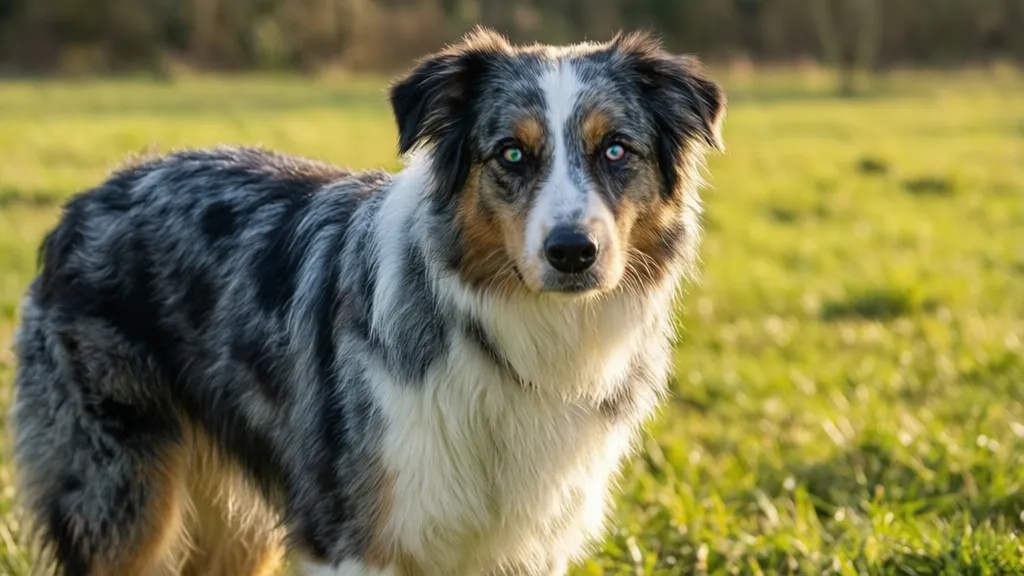
The Australian Shepherd, despite its nomenclature, is a breed steeped in the traditions and landscapes of the American West. Its origins trace back to the 1840s, paralleling the surge of sheep herders who traversed the continent during the great westward expansion. Contrary to what might be assumed, this breed is not native to Australia; rather, its inception can be linked to the melding of various herding breeds, notably those brought over by Basque shepherds from the Pyrenees, alongside influences from other shepherding lines like the Old English Sheepdog. This confluence of genetics and geography laid the groundwork for a robust, agile, and intelligent canine, ideally suited to managing livestock across the rugged terrain of the American frontier.
As this breed developed, it became a vital asset in the expansive ranches of the West, often working unyielding hours under the vast skies—a trait that speaks volumes about its work ethic and stamina. Their herding prowess was not just a product of chance; it was a carefully honed skill, birthed from the necessity of controlling large flocks efficiently and effectively. This necessity birthed an impressive cognitive flexibility, enabling this breed to respond to the subtle cues of both their human handlers and the errant movements of sheep. Consequently, their psychological acuity transcended mere obedience, blossoming into an intricate tapestry of instincts finely tuned to the demands of their environment.
The Australian Shepherd, affectionately termed the “Aussie,” has retained these herding instincts into contemporary times—initially serving as a primary work dog, they’re now often seen gracing agility courses and participating in competitive events. Their historical role has imprinted an array of behaviors; they possess an intuitive social intelligence that is manifest in their interactions not only with other animals but with humans as well. The blend of genetically hardwired instincts and learned behaviors fosters a deep-seated loyalty and an attachment to their human companions, often leading to a dynamic relationship that thrives on mutual understanding and mental stimulation.
Furthermore, it especially important to acknowledge the evolution of the Aussie within the fabric of American culture. By integrating into various lifestyles, from ranch hands to family pets, the breed has dynamically adapted. However, this adaptability does not come without consequences; the balance between their heritage as working dogs and their contemporary roles can lead to a spectrum of behaviors that must be understood, managed, and nurtured. Owners who appreciate the profound history and intrinsic needs of the Australian Shepherd will find themselves not merely caretakers but conduits to a bygone era, rich with stories of resilience and partnership.

Now retrieving an image set.
Vital Essentials Freeze Dried Dog Treats | Beef Liver, Single Ingredient | Premium Quality | Grain Free Training Treats for Dogs, 2.1 oz Bag
$5.99 (as of July 25, 2026 16:25 GMT +00:00 - More infoProduct prices and availability are accurate as of the date/time indicated and are subject to change. Any price and availability information displayed on [relevant Amazon Site(s), as applicable] at the time of purchase will apply to the purchase of this product.)To fully appreciate the Australian Shepherd, one must first examine the embodiment of its physicality, a mosaic of anatomical attributes that reflect its heritage as an agile herder. Ideal specimens of the breed possess a well-balanced, athletic frame that speaks of strength and endurance—a necessity born from traversing the undulating landscapes of their working days. Typically, males stand around 20-23 inches at the shoulder, while females range from 18-21 inches, with weights varying between 40 to 65 pounds. This stature allows for the remarkable agility and speed that are hallmarks of this breed, enabling quick maneuverability in their tasks.
The Australian Shepherd’s musculature is a marvel to behold, with a lithe yet powerful build that facilitates bounteous energy. Their bone structure is strong but not overly heavy, maintaining the essential balance between muscularity and lightness. This anatomical design reflects their evolutionary role, where effectiveness on the field was paramount. Each sinew and joint is crafted to withstand long hours of laborious activity, a testament to the breed’s unyielding commitment to its work. The agility and stamina bestowed upon them are evident in their movements—each step is dynamic, characterized by a fluidity that belies the underlying power.
Coat quality further enriches the Australian Shepherd’s allure; they’re adorned with a medium-length double coat that’s water-resistant, allowing them to thrive in diverse environments. The outer layer, composed of straight or slightly wavy hair, acts as a shield against the elements, while the softer undercoat provides insulation and warmth during colder months. However, the coat demands diligent grooming to avoid matting and to maintain its health. Frequent brushing, twice a week or more, is recommended, especially during shedding seasons, which occur biannually. This not only aids in hygiene but also strengthens the bond between pet and owner, creating an opportunity for connection that extends beyond mere maintenance.
Coloration is another mesmerizing feature of the Aussie, with a palette combining merle, black, red, and blue hues, often interspersed with white markings and tan points. This diverse range of colors, particularly the unique marbled pattern, serves as a reminder of the variety of influences that have shaped the breed’s genetic landscape. While a striking appearance can garner admiration, it’s vital for owners to be mindful of the genetic predispositions associated with these patterns, such as increased risks for certain health conditions like progressive retinal atrophy (PRA). Understanding these traits can empower owners to take proactive measures in health management, fostering not only aesthetic appreciation but also a conscientious approach to care.
The eyes of an Australian Shepherd are particularly expressive, often described as one of the breed’s most captivating features. Their gaze, typically two different colors or shades of brown, carries an enigmatic quality, capable of conveying both immense intelligence and intense focus. This duotoned ocular feature speaks to the breed’s herding heritage—an ability to assess and react to their surroundings with astonishing clarity and precision. As they burn with energy, their eyes aren’t merely windows to the soul; they are instruments of communication, reflecting their deep-seated need for engagement and interaction.
To ensure optimal health, it is imperative for owners to remain vigilant about specific predispositions prevalent in this breed. The robust frame of the Australian Shepherd can mask vulnerabilities, particularly in joints. Conditions such as hip dysplasia and elbow dysplasia can arise, the signs of which may not manifest until the dog is older, characterized by an unusual gait or reluctance to engage in physical activity. Regular veterinary check-ups, coupled with informed monitoring of physical performance, are essential practices for any committed owner.
In embracing the Australian Shepherd’s vicarious narrative, one must not only admire its physical elegance but also acknowledge the intricate dance of genetics and environment that shapes each individual dog. As they weave into the lives of their human companions, their attributes—both physical and behavioral—become not just characteristics, but a profound connection to their lineage, culture, and purpose. With a keen awareness of their unique physical traits and potential health challenges, owners can ensure that these remarkable dogs enjoy not only vibrant lives but also a legacy worthy of their storied past.
To grasp the essence of the Australian Shepherd’s temperament and behavior, one must peel back layers of instincts ingrained through generations of selective breeding for herding proficiency. This breed embodies the very quintessence of canine intelligence—capable, adaptive, and fueled by an innate desire to engage with both human and animal partners. This drive for connection is steeped in their historical role as shepherds, requiring an acute awareness of their surroundings and the ability to respond promptly to dynamic scenarios. Each Australian Shepherd has developed a profound cognitive processing style that reflects its responsibilities; their decision-making is often swift yet thoughtful, shaped by a legacy that fuses instinctual behavior with learned experience.
Within the fabric of their interactions lies an intricate blend of social skills and an exceptional ability to read subtle cues. The Australian Shepherd’s herding instinct manifests in a natural propensity to organize and direct not only livestock but often children and other pets within the household. This herding behavior, while instinctive, may present challenges in a domestic setting. An owner might observe their Australian Shepherd attempting to round up family members in playful or assertive ways—an endearing yet sometimes disruptive trait. Therefore, understanding the underlying motivations of this behavior becomes essential for any owner wishing to cultivate harmony in their home.
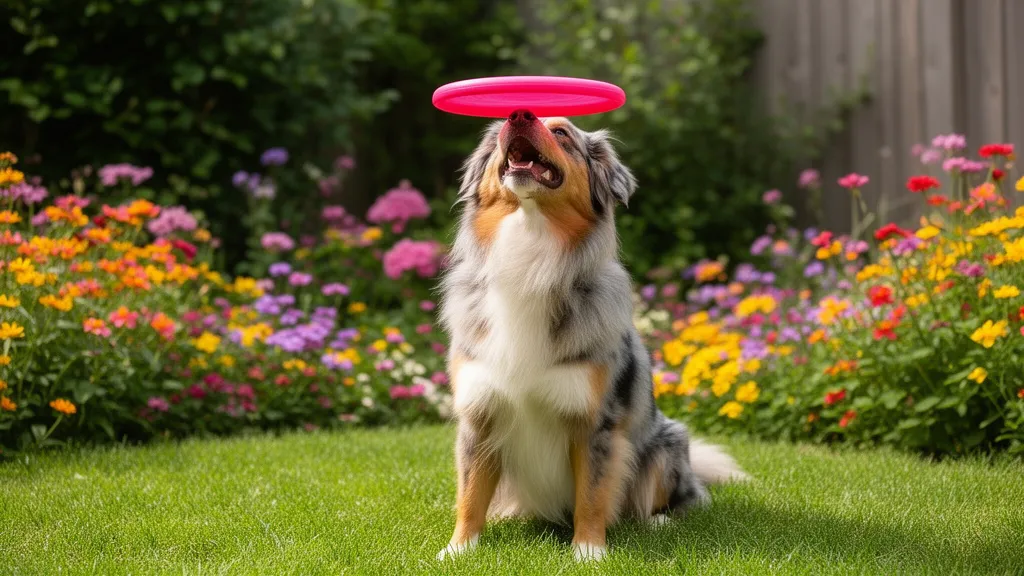
The emotional intelligence of the Australian Shepherd cannot be understated. They forge deep bonds with their families, exhibiting loyalty that often borders on devotion, which can lead to protective behaviors. While that is generally favorable within the confines of a family unit, it can manifest as wariness towards strangers or unfamiliar situations. The challenge lies in channeling their natural tendencies into constructive outlets, such as regular socialization and exposure to various environments. This proactive approach helps mitigate potential anxiety, ensuring a well-adjusted canine companion who can navigate the complexities of modern living without distress.
Exercise serves as the cornerstone of mental and physical well-being for Australian Shepherds. Their energy levels are vast, and without adequate physical outlets, they may exhibit behaviors reflective of boredom or frustration—destructive chewing, excessive barking, or even herding behaviors directed toward inappropriate targets, such as furniture. Engaging this breed in structured activities—agility training, advanced obedience classes, or even canine sports—can not only burn off excess energy but also stimulate their intellect, creating a mutually enriching experience that deepens the bond between dog and owner.
In the sphere of care, behavior management dovetails elegantly with training strategies. An Australian Shepherd thrives on consistent, positive reinforcement, responding enthusiastically to challenges that engage their eager minds. Families often employ clicker training or treat-based rewards to foster desired behaviors, reinforcing the natural curiosity and intelligence endemic to the breed. It is essential, however, to maintain a balance; overly harsh corrections can lead to anxiety or disrupt the delicate equilibrium of trust crucial in their relationships. Owners must cultivate a language of communication that is enriching rather than punitive, transforming training into a collaborative journey rather than a chore.
A significant aspect of the Australian Shepherd’s emotional landscape is their need for a job. The breed flourishes when given responsibilities—whether that be fetching objects, learning new commands, or participating in daily tasks around the home. Their keen ability to learn extends to practical assistance; many owners successfully train their Australian Shepherds to complete household tasks, thus satisfying both their physical and mental cravings for purpose. A testament to the breed’s cooperative spirit, these dogs relish their roles as active participants in family life, which in turn deepens their attachment to their human companions.
Through a lens of history and environment, the Australian Shepherd’s temperament reveals itself as a multifaceted interplay of behaviors, sensitivities, and instincts that reflect its pastoral past. When well understood and thoughtfully nurtured, the exuberance and intelligence of the breed can blossom into spirited companionship, marked by an everlasting loyalty that speaks to the heart of their enduring legacy. Yet it requires the dedication of an insightful owner, someone who can harness this potential, evolving into not just a pet provider, but a partner in a rich narrative woven with understanding, respect, and teamwork.
To navigate the intricacies of care and training for the Australian Shepherd is to embark on a journey marked by attentiveness and profound understanding. The breed, with its resilient spirit and boundless energy, necessitates a regimen this is as dynamic as it’s structured, layering physical care with cognitive enrichment that stimulates the mind and nurtures emotional bonds.
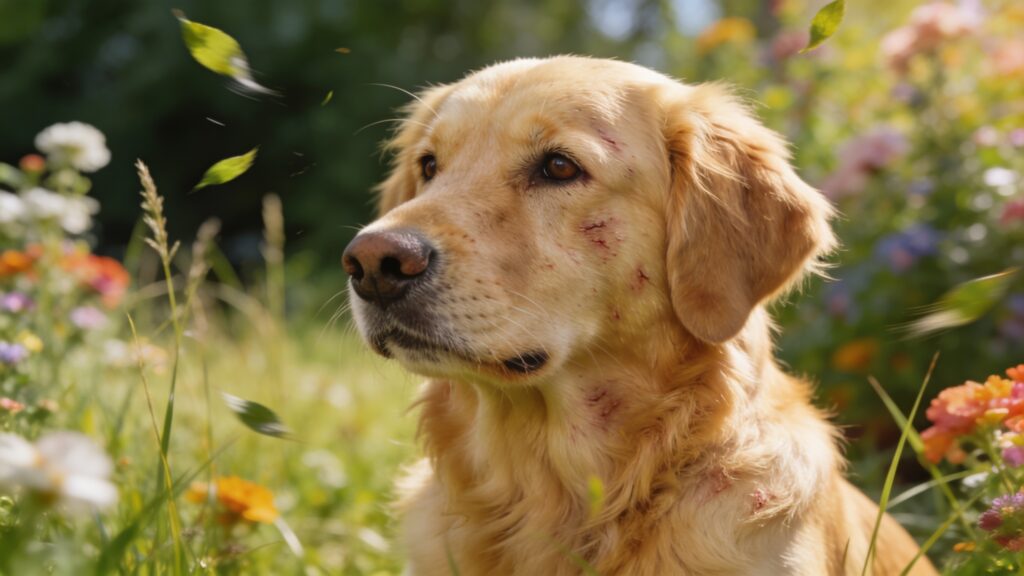
Grooming emerges as a cornerstone of stewardship for the Australian Shepherd, bestowing both a functional and aesthetic duty upon the owner. The double coat, while a marvel of evolution designed to weather the elements, requires meticulous maintenance. A brush twice a week very important to prevent matting and to facilitate the shedding process, which peaks biannually. Yet, beyond the mere physical act of grooming lies a rich opportunity for connection. As the owner glides the brush through the soft undercoat and the resilient outer layer, an exchange occurs—a testament to trust through tactile interaction. It’s during this grooming that the dog’s emotional state can often be discerned, a perceptive bond forming under the rhythmic strokes that calm and engage. The breeds’ predisposition to skin issues and allergies, such as atopic dermatitis, further compels owners to remain vigilant, noting any changes in skin texture or odor as telltale signs of underlying concerns.
A deep appreciation of dietary needs becomes crucial as well, intimately linked to the breed’s energetic disposition and overall health. The Australian Shepherd thrives on high-quality, protein-rich food tailored to its life stage—puppy, adult, or senior. Understanding the balance of macronutrients—proteins, fats, and carbohydrates—is essential; a puppy requires significant protein intake for muscular development, whereas an adult may benefit from a careful balance that maintains vigor without leading to obesity, as the breed is prone to joint issues exacerbated by excess weight. Owners should integrate omega-3 and omega-6 fatty acids into their diet to foster healthy skin and coat, alongside safeguarding the joints—each meal meticulously planned is an investment in longevity. Monitor for signs of dietary intolerance, such as gastrointestinal upset or abnormal stool consistency, as they may indicate adjustments are needed, ensuring that nutrition remains aligned with the dog’s specific needs.
In the sphere of training, the Australian Shepherd shines brightly, its intelligence demanding stimulation that transcends basic obedience commands. The mastery of advanced training techniques is imperative; agility training, for example, can blend physical activity with mental challenge, allowing this breed to channel its exuberance into a structured environment. Sessions woven seamlessly into daily routines become moments of shared purpose rather than chores. As these poised athletes navigate tunnels, weave through poles, and leap over hurdles, they not only burn energy but also reinforce their ability to respond to cues with remarkable precision.
Socialization emerges as a dual pillar alongside training. The complex emotional landscape of the Australian Shepherd can lead to nerviness; thus, introducing varied experiences—association with different sights, sounds, and smells from an early age—is crucial. Enabling them to encounter novel situations and diverse populations of people and other animals fosters resilience, transforming anxieties into self-assuredness. Owners must seek opportunities for interaction, whether through puppy socialization classes, dog parks, or exposure to varied environments, creating a tapestry of experiences that enriches their life. The repercussions are bifold: a confident dog that can navigate societal complexities seamlessly and a home environment resonant with harmony.
To effectively manage behavior challenges, one must not only train but also carefully observe the nuances of the Australian Shepherd’s responses to pressures and stimuli. Engaging in counter-conditioning tactics, such as altering responses to previously stressful situations, can foster a stronger foundation of trust between canine and human. A case study might illustrate an overly protective response to mail carriers; using gradual exposure paired with rewards builds a positive association, eventually transforming this into a neutral, or even positive, state of existence. Consistency is key, as the emotions and instincts of the Australian Shepherd can ebb and flow with the complexity of their interactions.
Among the profound tasks of care and training lies the inherent need for purpose. Australian Shepherds relish the feeling of contribution to family life, a concept deeply woven into their genetic fabric. Engaging them in simple chores—be it carrying groceries, retrieving a remote, or even assisting in morning routines—can fulfill their intrinsic desire to be actively involved. Acknowledging their instinctual drives allows for a richer life, where the balance of work and play cultivates not just obedience, but a flourishing partnership founded on respect and shared experience.
Thus, engaging with an Australian Shepherd through informed care and advanced training is both an art and a science, compelling owners to continuously refine their approach and adapt to the evolving needs of their companion. The journey is defined by thoughtful observation, emotional intelligence, and above all, an unyielding commitment to partnership—turning the boundaries of learned behavior into fluid expressions of mutual respect, loyalty, and understanding. Through this lens, the complexities of training are interwoven with the broader narrative of a breed that, at its core, seeks meaningful engagement and a life rich with purpose amidst its human counterparts.
Related Posts

Professional 3PCS Self Cleaning Slicker Brush Set
Coping with Canine Allergies – A Comprehensive Guide